Most live events end when the lights go down.
Gregg Schiller's Friday Nights Live does something different. It begins conversations that continue long after the final applause.
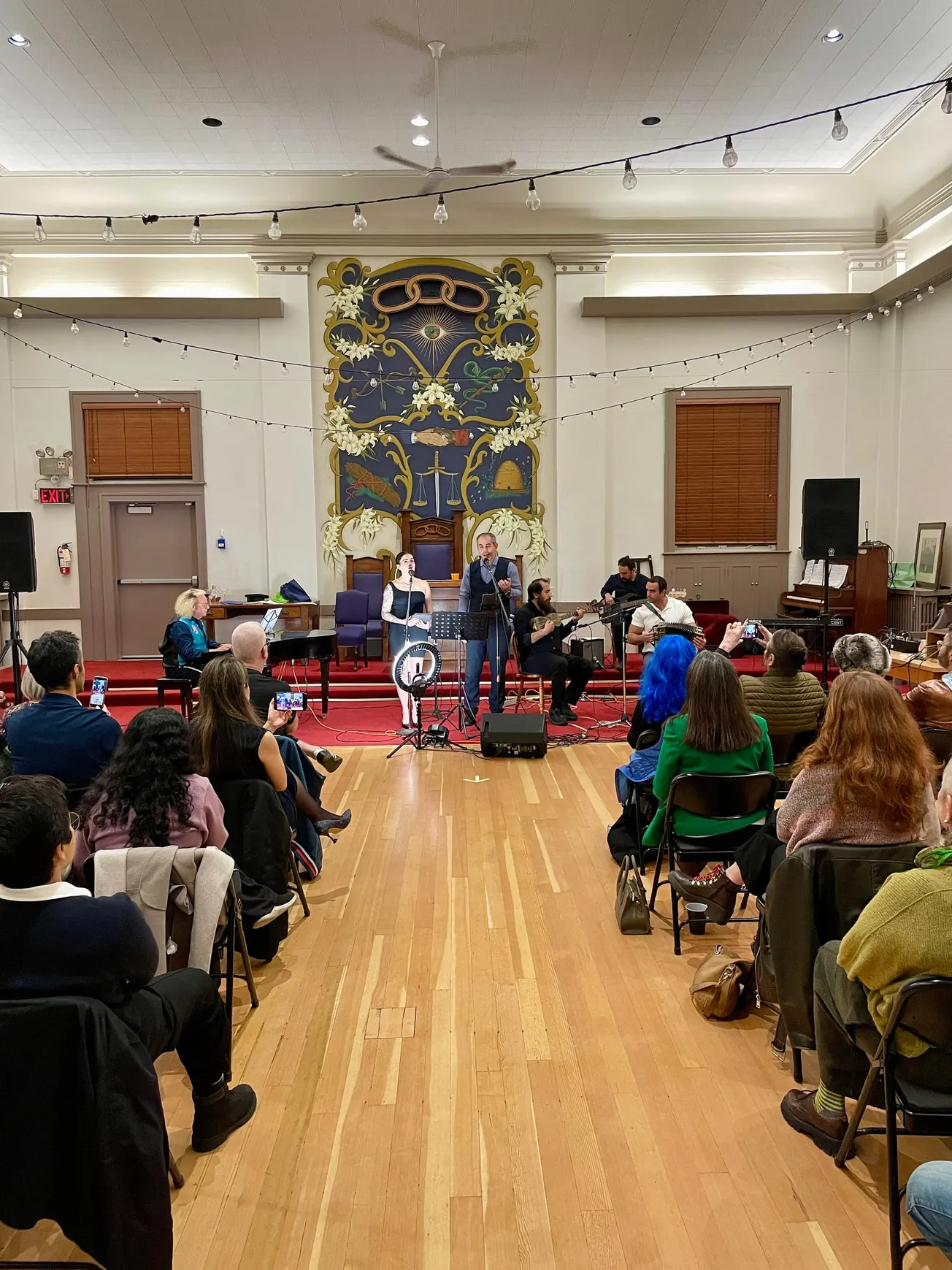
Inside the venue, singers, musicians, visual artists, puppeteers and storytellers aren't competing for attentionthey're contributing to a shared experience. Every performance reveals another perspective, another journey and another reminder that creative communities thrive when people choose to show up for one another.
For IKONIK Magazine, the evening wasn't simply about documenting performances. It was about discovering the people behind the art, the experiences that shaped their creativity, the purpose driving their work, and why independent artists need more than applause. They need audiences willing to invest in culture.
These conversations reveal why Friday Nights Live has become far more than another event on Vancouver's entertainment calendar. It has become a place where artists are seen, audiences become participants, and community is built one performance at a time. Pasted markdown.There is a moment at every great live event that cannot be recreated online.
It isn't the loudest applause. It isn't the perfect note. It isn't even the headline performance.
It's the moment an artist tells you why they create.
That was the real performance at Gregg Schiller's latest Friday Nights Live.
Across one evening, singers, musicians, storytellers, visual artists and performers transformed a venue into something much larger than a showcase. It became a meeting point for creativity, vulnerability and community , a reminder that the strongest artistic movements are rarely built by institutions. They are built by people who continue creating despite uncertainty, and audiences willing to believe in them.
While the performances captivated the room, it was the conversations backstage and between sets that revealed the deeper story.
Every artist had arrived carrying far more than an instrument or a microphone.
They carried a history.
The Songs That Began With Survival
For Ricardo, songwriting wasn't born from ambition.
It began almost accidentally.
He laughed as he recalled writing "silly songs about nothing," experimenting without direction or expectation. Then life intervened.
A difficult breakup transformed those light-hearted experiments into deeply personal music.
"I started writing breakup songs," he reflected. "Now I'm finally in a place where I'm writing things that inspire instead of simply helping me escape."
His journey speaks to something many creatives understand: our first work often helps us survive. Our best work begins once we've healed enough to create from hope rather than hurt.
Standing beside him was fellow performer Caelen Kelly, whose own story echoed a similar truth.
Music became the outlet she never had growing up.
After navigating significant personal challenges in her early years, songwriting offered something therapy, conversation and silence could not it gave emotion somewhere to live.
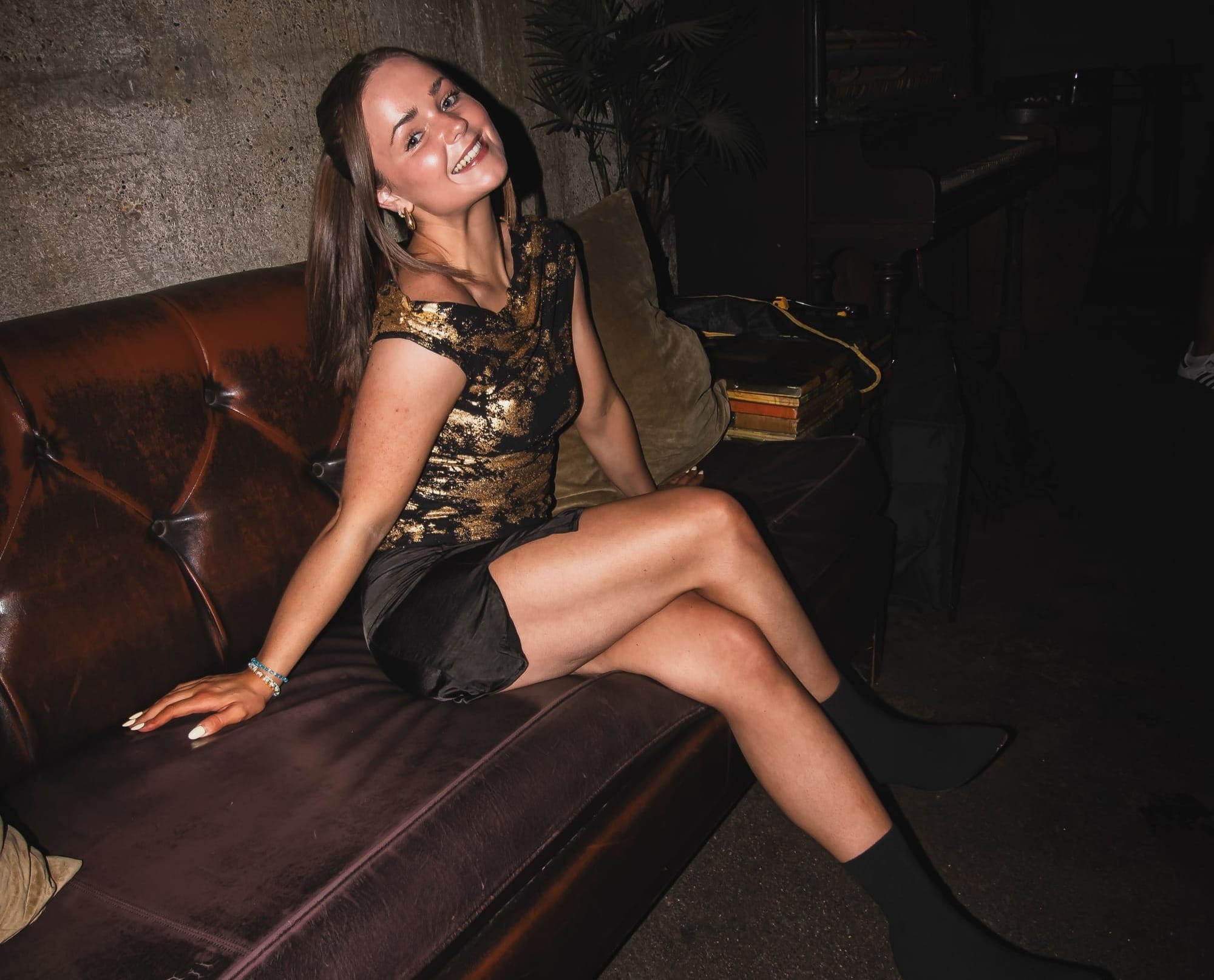
Rather than allowing those experiences to define her, she transformed them into performances capable of connecting complete strangers.
For Kelly, every song is evidence that difficult chapters do not have to become permanent identities.
They can become art.
Support Means More Than Applause
When asked how audiences could support artists beyond the evening's performances, neither Ricardo nor Caelan Kelly mentioned algorithms.
Neither asked for viral videos.
Neither spoke about streaming numbers.
Their answer was refreshingly human.
Buy tickets.
Attend live performances.
Meet artists after the show.
Start conversations.
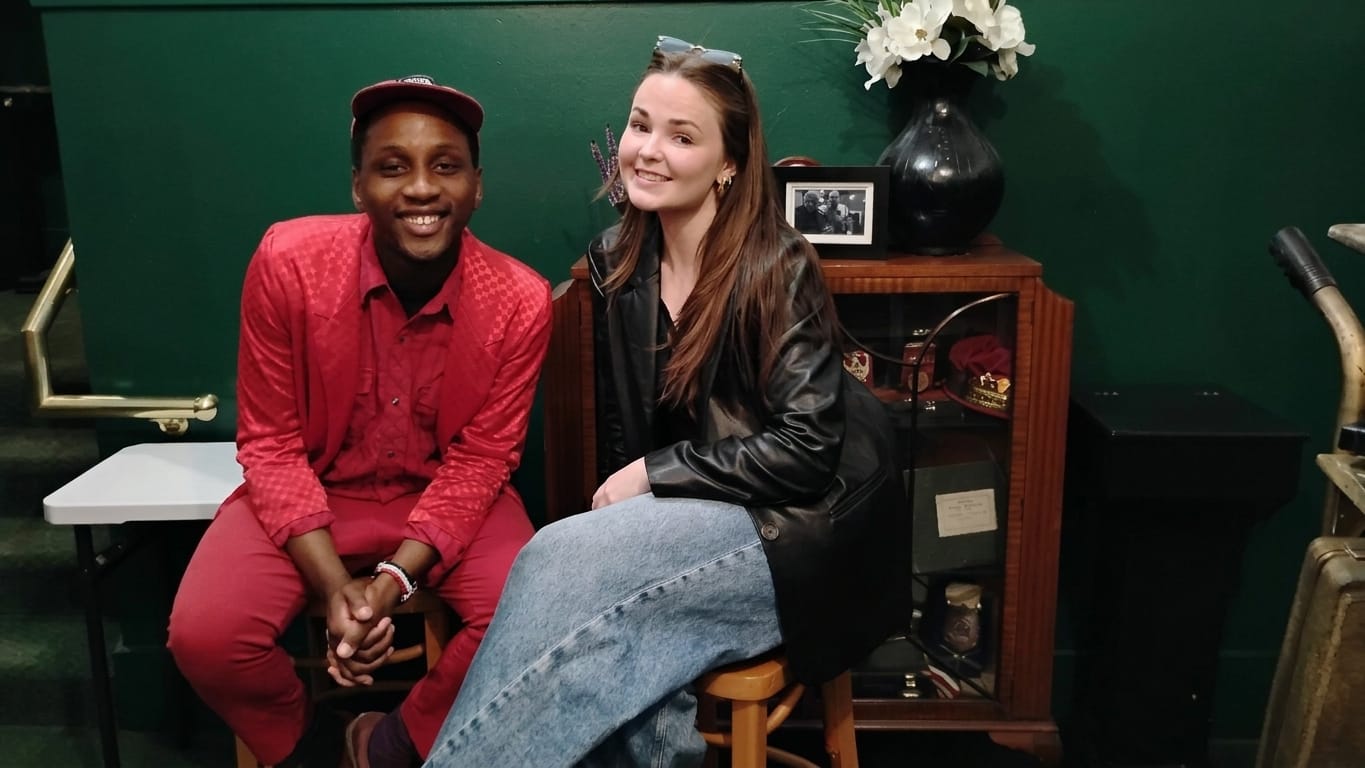
Follow their work because you genuinely believe in it.
"Don't be scared," Caelan Kelly encouraged. "Come and talk to us."
It was a reminder that creative communities are built one relationship at a time—not one click at a time.
A Puppeteer's First Audience Was His Mother
Among the evening's most memorable personalities was veteran puppeteer Viktor Barkar, who has spent more than fifteen years bringing handcrafted characters to life through Vancouver Puppet Theatre.
His introduction to puppetry, however, was far less glamorous.
His very first puppet was made from vegetables.
He proudly hid it beneath his bed.
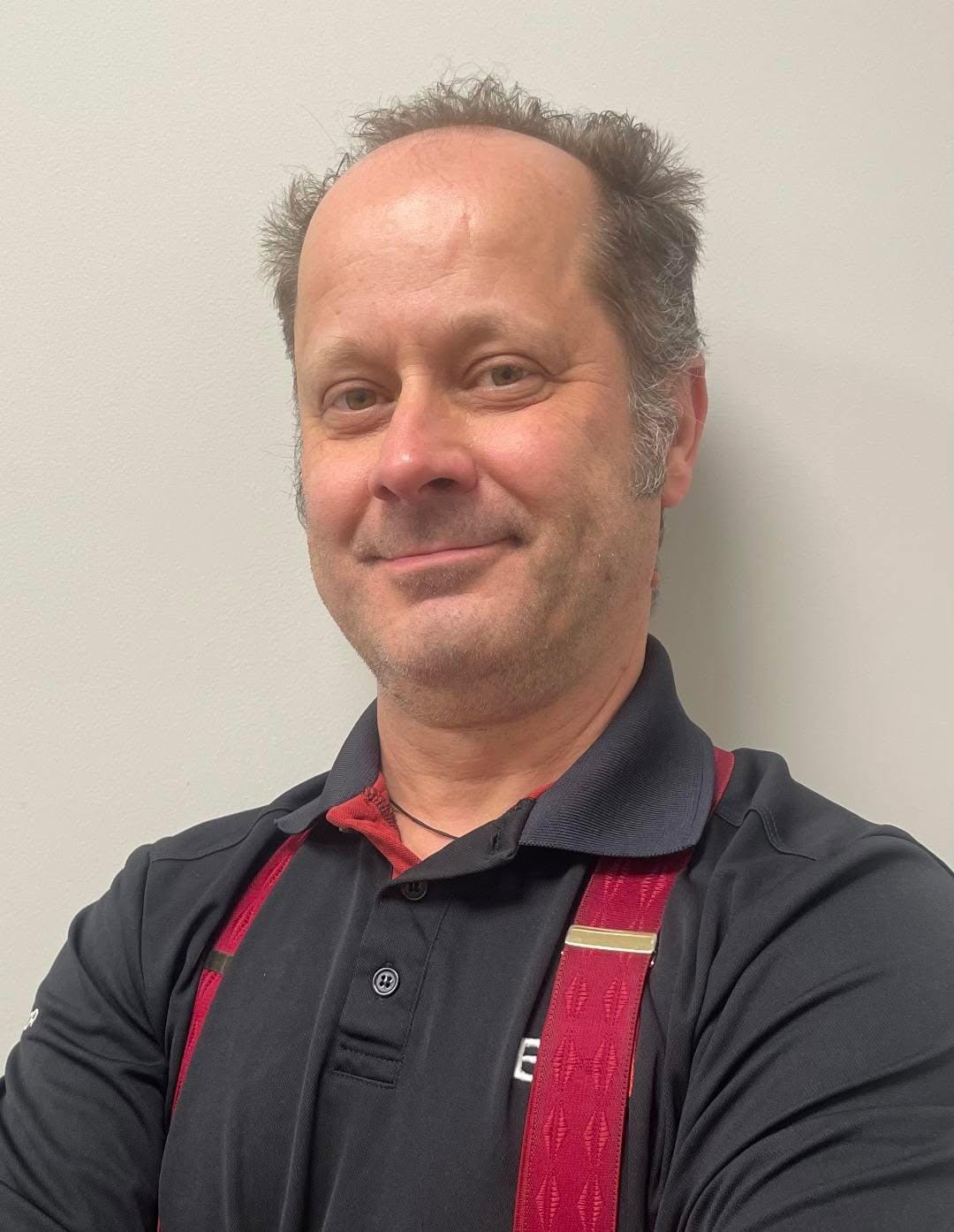
Weeks later, his mother discovered it—not because she was looking for it, but because she could smell it.
The audience erupted with laughter.
Yet beneath the humour was something profound.
Like many artists, Barker's creative instincts appeared long before he understood where they might lead.
His philosophy today reflects decades of artistic reflection.
Art, he believes, isn't about telling audiences what to think.
It is about inviting them into a moment where life feels more vivid.
As he explained, true artistry allows people to confront life's fragility while simultaneously celebrating the privilege of being alive.
Few descriptions better captured the atmosphere of Friday Nights Live itself.
Music That Refuses To Choose Between Genres
Singer-songwriter Monique Angele has spent years creating something difficult to categorise.
She calls it Operatic Piano Pop.
Rather than separating classical performance from contemporary songwriting, she combines both worlds, adding subtle elements of rock to create a sound uniquely her own.
For Angele performance isn't simply entertainment.
It is peace.
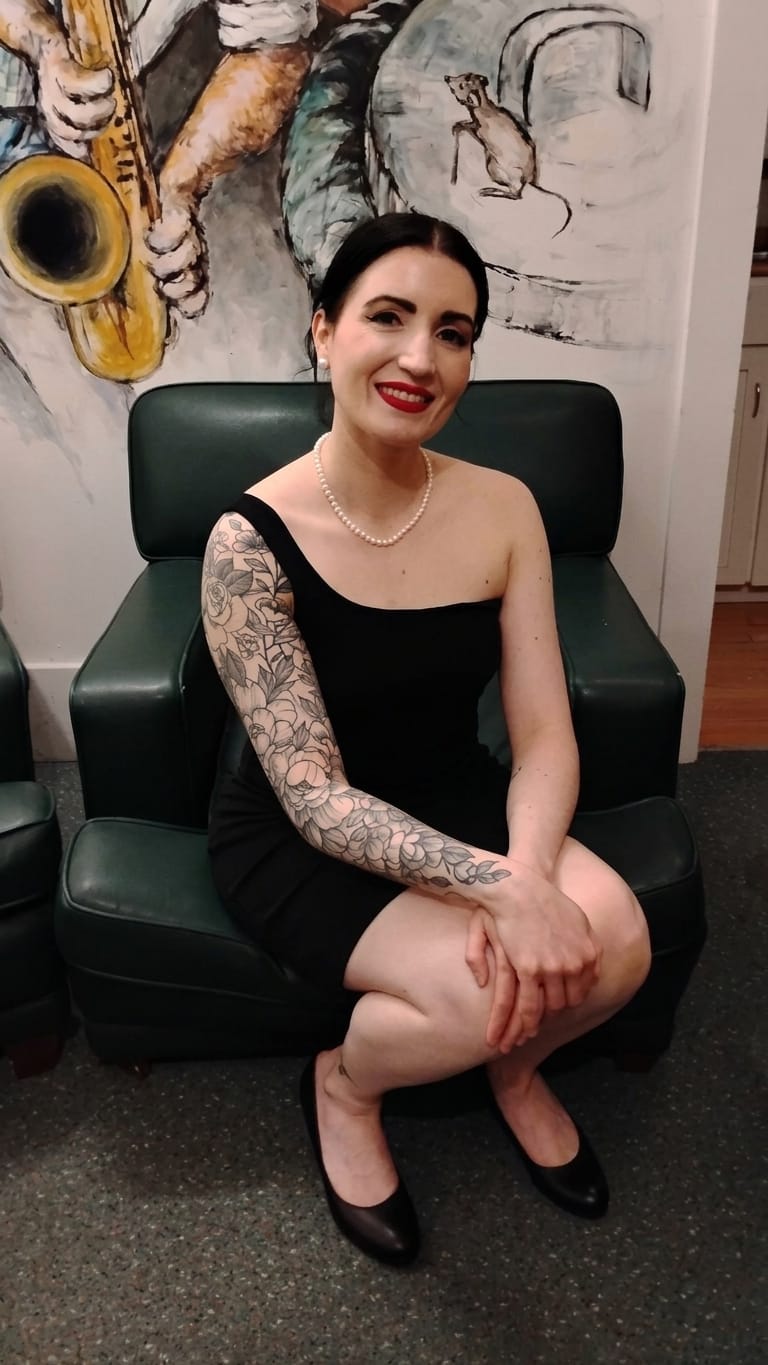
The stage becomes the one place where everything outside the music disappears.
When asked what legacy she hopes to leave, her answer wasn't about awards, fame or recognition.
She simply wants audiences to feel.
To forget, even briefly, the pressures waiting outside the venue.
To experience complete presence.
In today's distracted world, that may be one of the rarest artistic achievements imaginable.
The Vision Behind The Curtain
While artists occupied the spotlight, Gregg Schiller quietly revealed the philosophy guiding the entire evening.
His inspiration reaches back to the classic television variety shows he admired growing up productions where musicians, comedians, visual artists and performers shared the same stage.
For years it remained little more than an idea.
Then one invitation changed everything.
A request to organise a duelling piano performance unexpectedly became the foundation for something much larger.
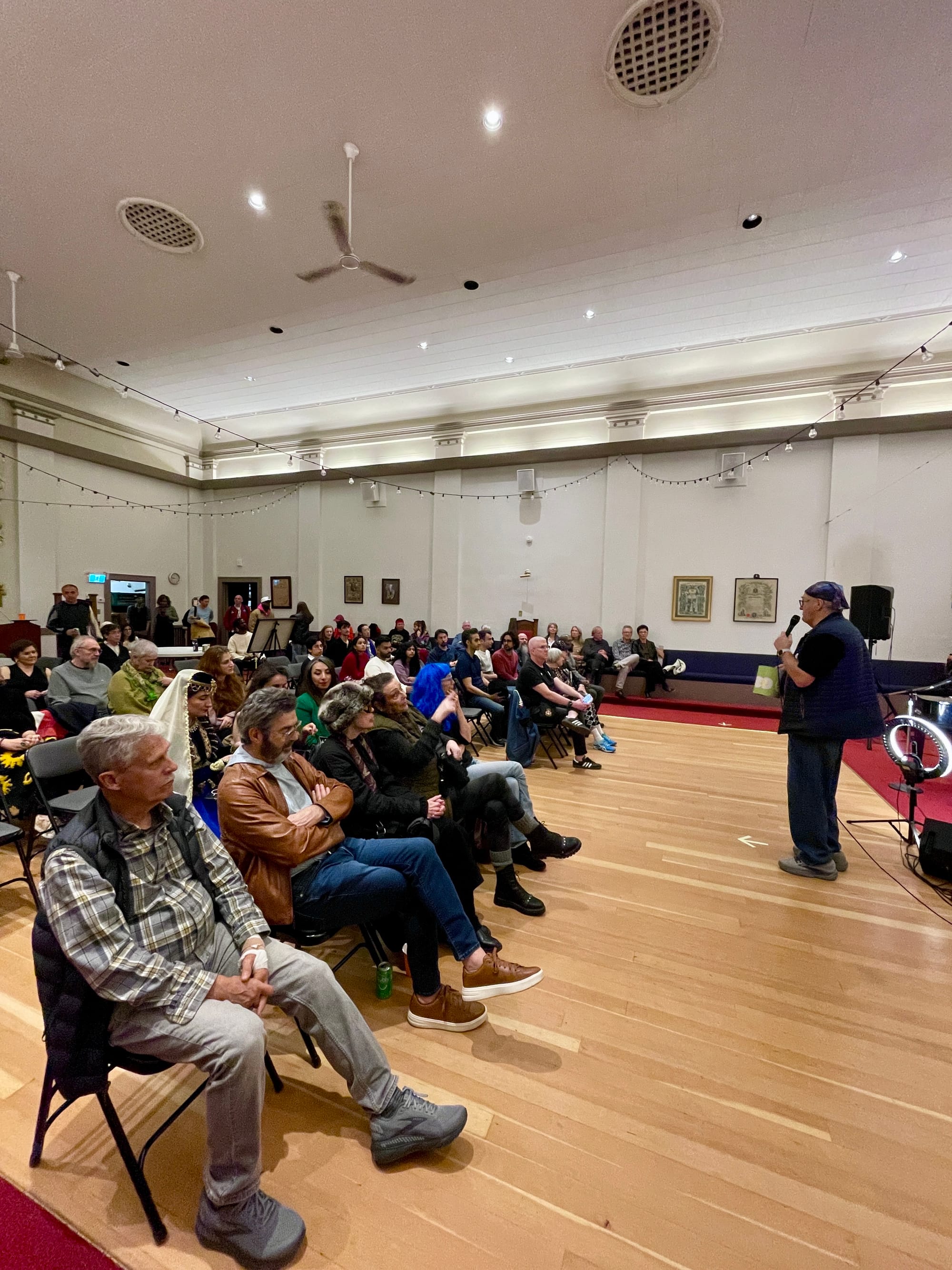
Each event introduced new artists.
Those artists introduced more artists.
Slowly, Friday Nights Live stopped feeling like a production.
It became a creative family.
What impressed us most wasn't Gregg's ambition.
It was his willingness to let the community shape the event itself.
He trusts performers to recommend future performers.
He allows relationships to guide programming.
The result is a showcase that grows organically instead of being manufactured.
That's increasingly rare.
And audiences can feel the difference.
More Than Entertainment
Throughout the evening, one message surfaced repeatedly.
Artists are not asking for sympathy.
They are asking for participation.
Attend.
Share.
Recommend.
Start conversations.
Support local venues.
Introduce someone to live performance.
Every thriving creative city depends upon audiences willing to do more than consume culture.
They must choose to sustain it.
That is precisely what Gregg Schiller's Friday Nights Live is accomplishing.
Not simply producing another evening of entertainment.
But building an ecosystem where artists discover audiences, audiences discover one another, and creativity becomes something shared rather than observed.
The most remarkable thing about Friday Nights Live isn't its format.
It is its philosophy.
In an era where algorithms increasingly determine what receives attention, Gregg Schiller has chosen a slower, more human approach.
One conversation.
One recommendation.
One performance.
One artist at a time.
That philosophy deserves attention not simply because it creates memorable evenings, but because it demonstrates how creative communities actually grow.
The future of the arts won't be secured by technology alone.
It will be protected by people who continue creating spaces where talent can be discovered, relationships can flourish and audiences are reminded that the most meaningful performances are still experienced live.
Gregg Schiller's Friday Nights Live is becoming one of those spaces.
And if this latest edition is any indication, its most important chapter is still being written.