Before Emmanuel Senaya Fianu ever held a professional carving tool, he was searching through piles of discarded timber outside carpentry workshops, imagining what forgotten pieces of wood could become.
His first canvas wasn't a sculpture it was a school pencil, carefully carved with tiny giraffes, faces and intricate designs that classmates eagerly bought. Years later, that same curiosity would lead him to sleep on a wooden bench for nearly a decade while learning his craft, transforming persistence into a career rooted in African artistry.
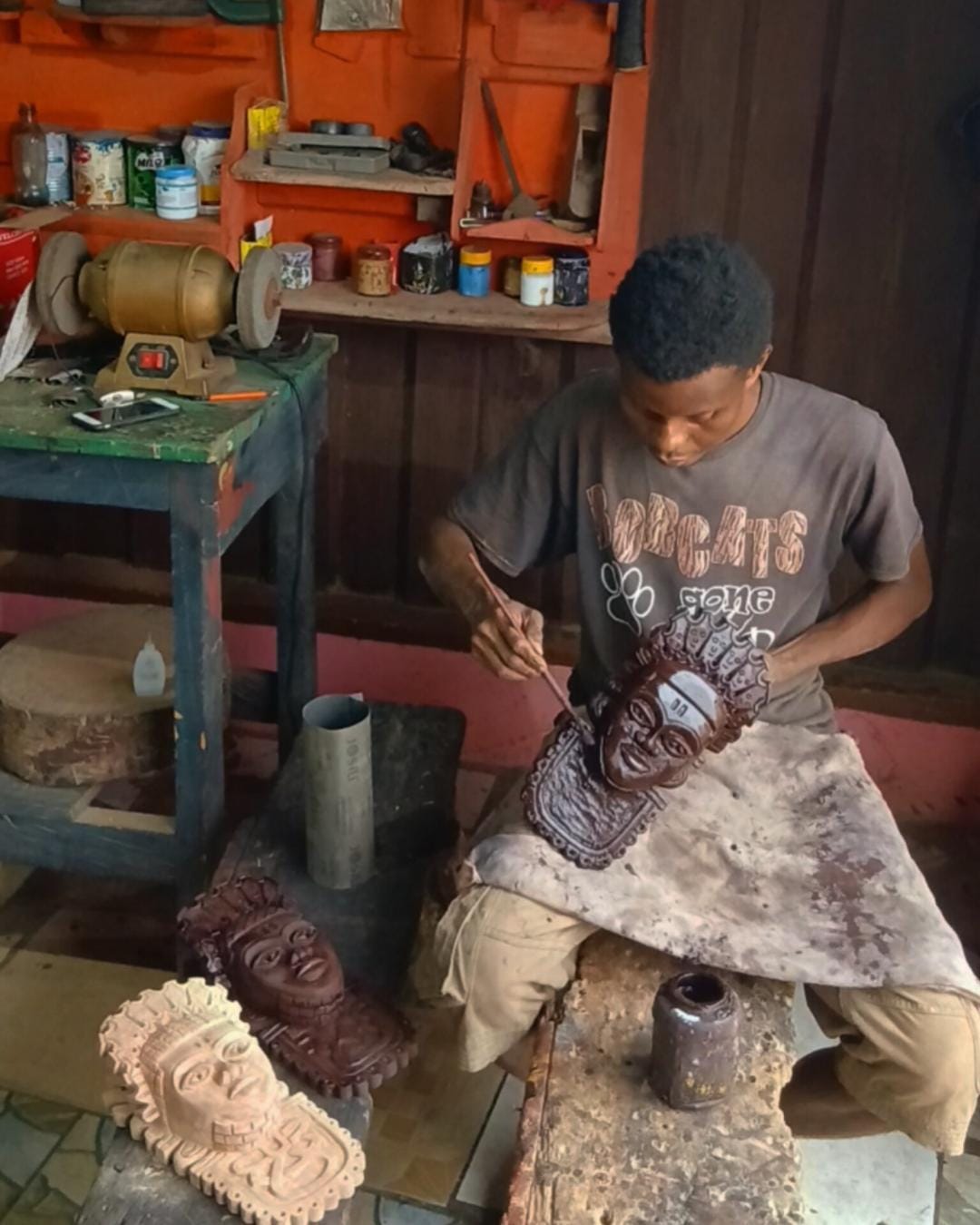
Today, the Accra-based craftsman creates hand-carved sculptures, ceremonial masks, musical instruments and decorative objects that travel far beyond Ghana's borders. Every piece reflects generations of cultural tradition while carrying the unmistakable signature of the hands that shaped it.
In this conversation with IKONIK Magazine, Emmanuel reflects on the unexpected encounter that changed his life, the sacrifices behind his craft, and why every sculpture begins long before wood meets chisel.
You began by carving small designs on pencils and collecting discarded wood. What first fascinated you about carving, and when did you realise you wanted to build your life around it?
What first made me fall in love with carving was an encounter with a man from Togo who came to Ghana for a project. One day, I saw him carving wood and creating beautiful designs. As I watched him work, I became so fascinated that it felt as though I was the one carving. My hands even started moving as if I were holding the tools myself.
That moment inspired me to go out and look for discarded pieces of wood so I could try carving on my own. As I experimented with the wood, I discovered that I had a natural passion for carving, and ideas began to flow. That man became my first inspiration to become a woodcarver, and from that day, carving gradually became an important part of my life. It allowed me to develop my skills, express my creativity, and discover my purpose as a craftsman.
But my story actually began even earlier, when I was a young schoolboy.
In primary school, I loved using razor blades to carve beautiful designs into my pencils, including giraffe heads, human faces, and necklaces. My classmates admired my work and even bought some of the carved pencils from me.
On Saturdays, when we were on holiday, I would visit carpentry workshops to collect discarded pieces of wood and practise carving. At the time, I didn't own a single carving tool. I searched through waste materials, collected discarded objects, and sold items on the streets to save enough money to buy the tools I needed. My dream was to create real sculptures, especially elephants.
My parents did not support my decision at first. They believed sculptures could be connected to spiritual practices, so they wanted me to become a carpenter instead. They told me that after I completed my secondary education, I could learn carpentry.
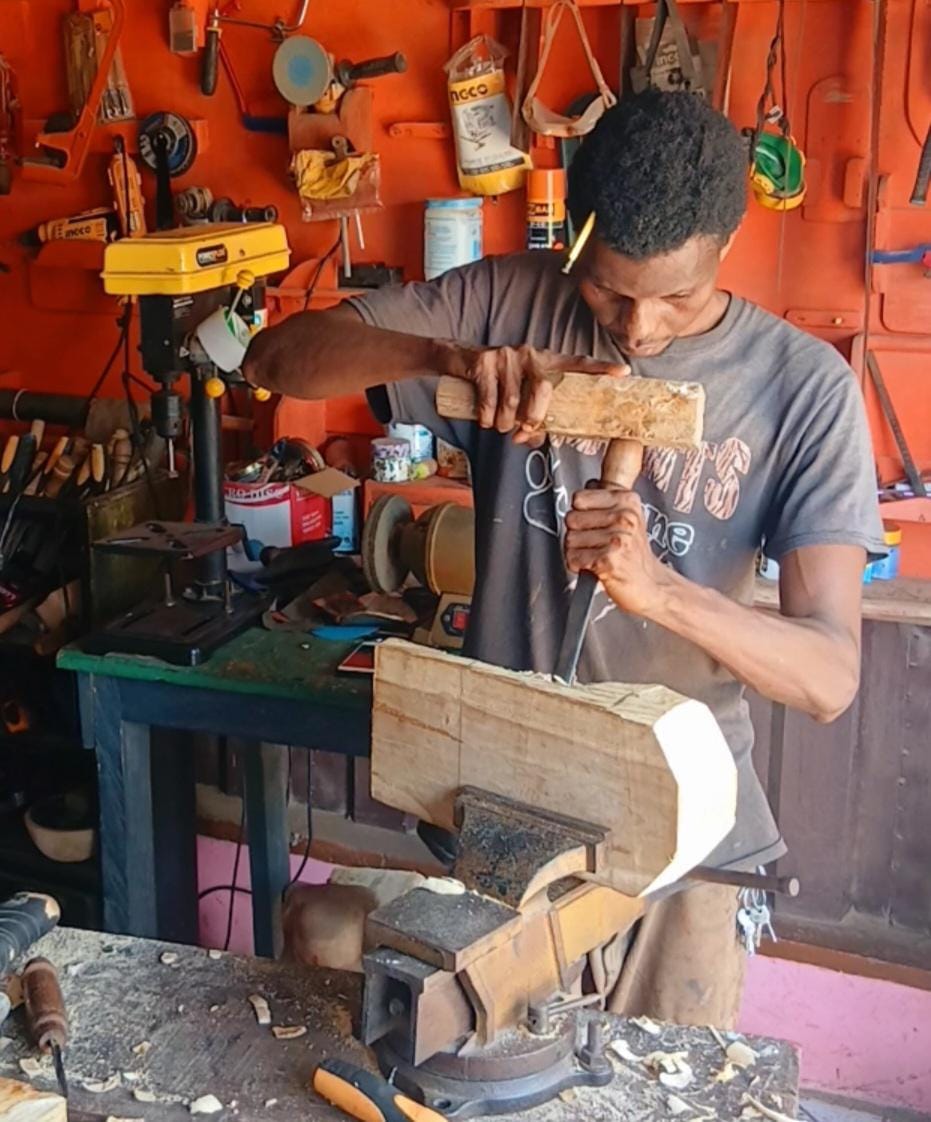
I accepted their advice and trained as a carpenter for three and a half years, becoming a skilled carpenter. But deep inside, I knew carving was still my true calling.
After completing my carpentry training, I sought out professional woodcarvers and asked them to teach me. They agreed, but life was far from easy. For nine years, I slept on a bench because I had nowhere else to stay. Despite the hardship, kind people showed me compassion, gave me a place to learn, and encouraged me to continue pursuing my dream.
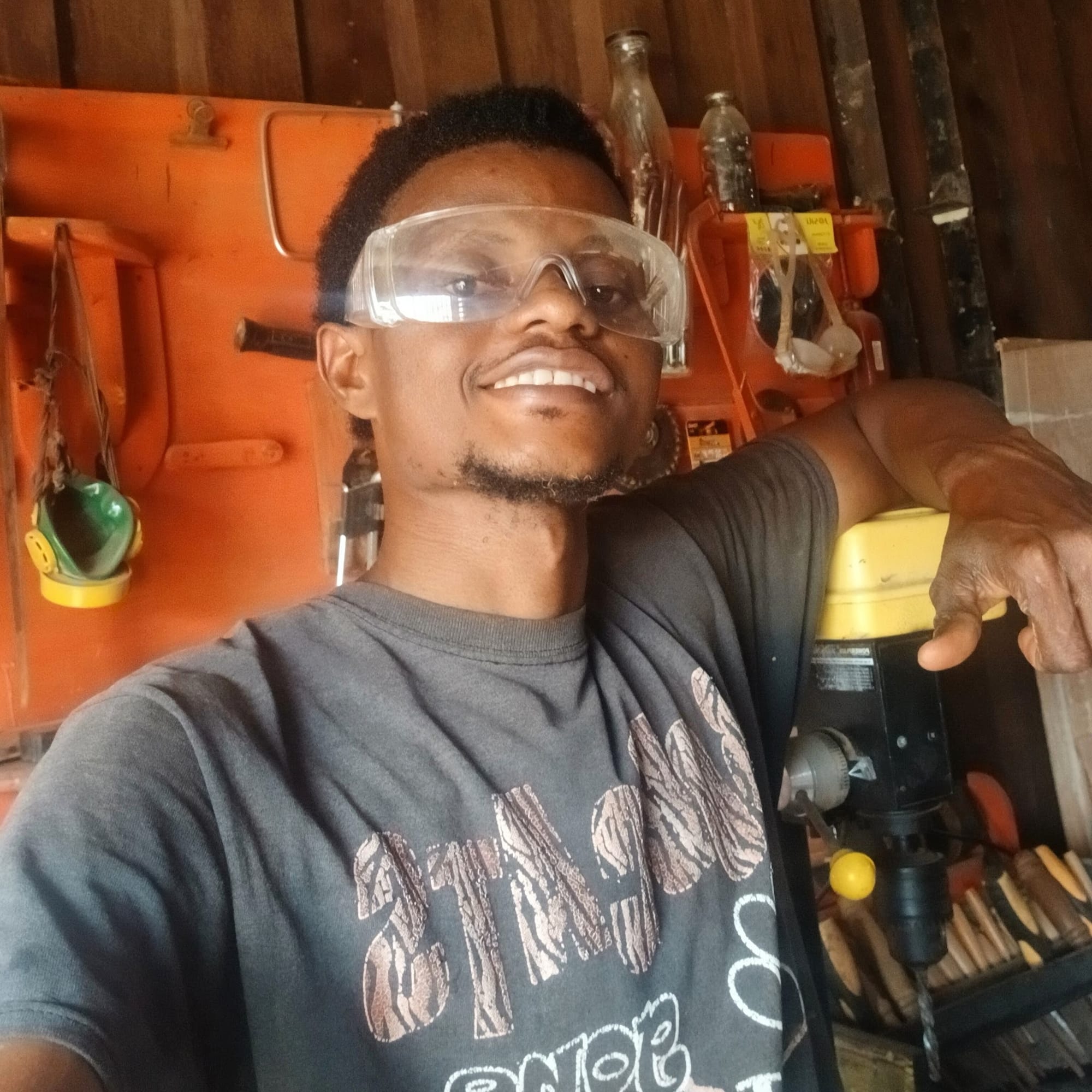
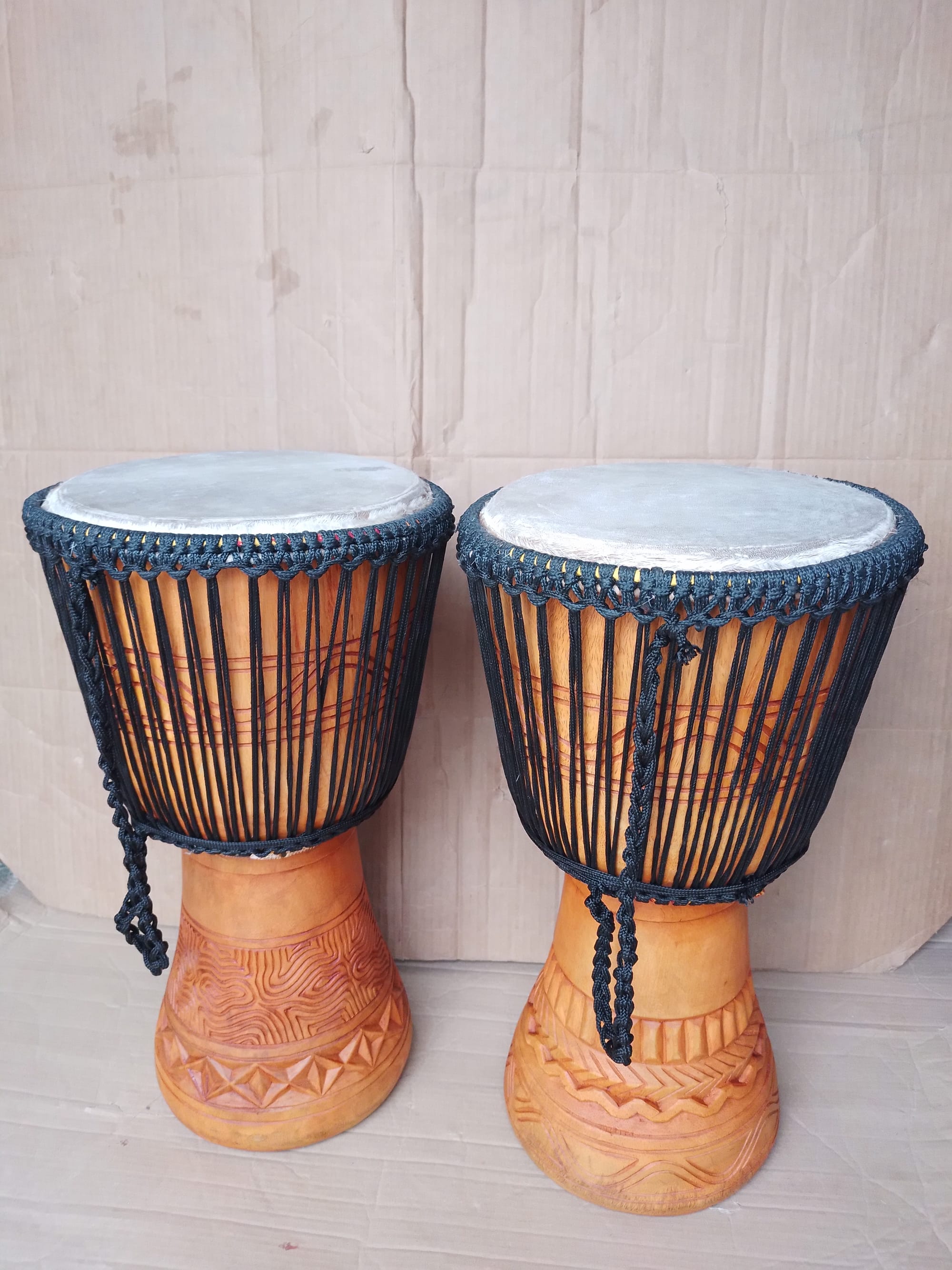
During those years, I learned to make traditional drums, the kora instrument, woodturned crafts, and many other sculptures. Every challenge made me a better craftsman.
As my skills grew, I began working with different companies and international visitors at the Ghana Arts Centre. I also travelled to countries including Togo and Benin to showcase and sell my work.
Looking back today, I am proud that I never gave up. What started with carving designs on pencils and collecting discarded wood has become a lifelong career. I have fulfilled my dream of becoming a professional woodcarver, and I continue to use my craft to tell stories, preserve culture, and create meaningful works of art.
Your work spans sculptures, musical instruments and decorative objects. What connects these creations, and how do your Ghanaian roots and personal experiences influence your designs?
My work is connected by a deep respect for African craftsmanship and cultural heritage. Whether I am carving a sculpture, making a musical instrument or creating a decorative object, each piece is rooted in the stories, traditions and identity I grew up with in Ghana.
My experiences have taught me that art can preserve history as much as it can decorate a space. Through every carving, I want people to experience a part of Africa's culture, creativity and craftsmanship. My goal is not simply to make beautiful objects, but to create pieces that carry meaning wherever they go.
Choose one piece you are particularly proud of. What inspired it, how did you make it, and what details would you want someone to notice when seeing it up closed.
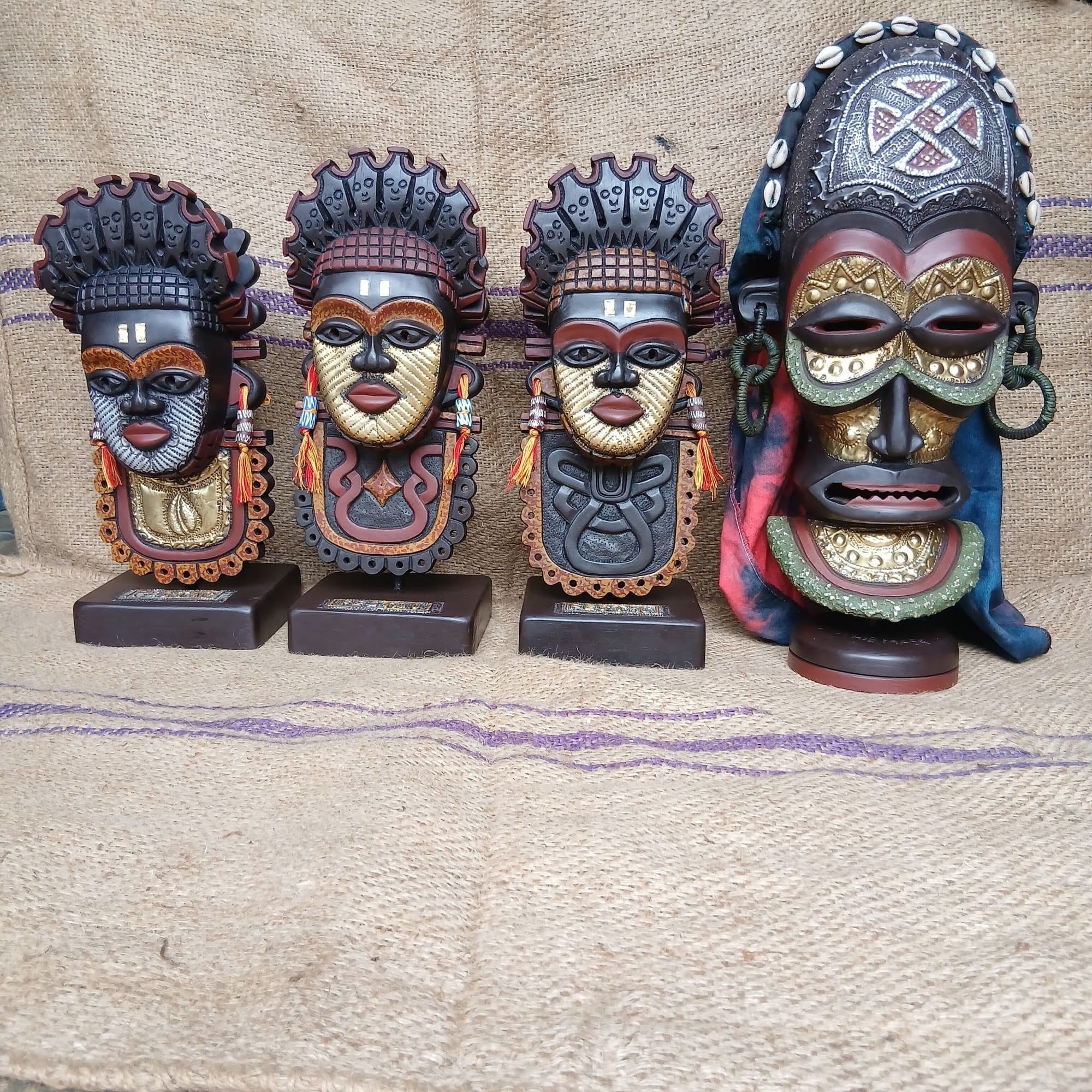
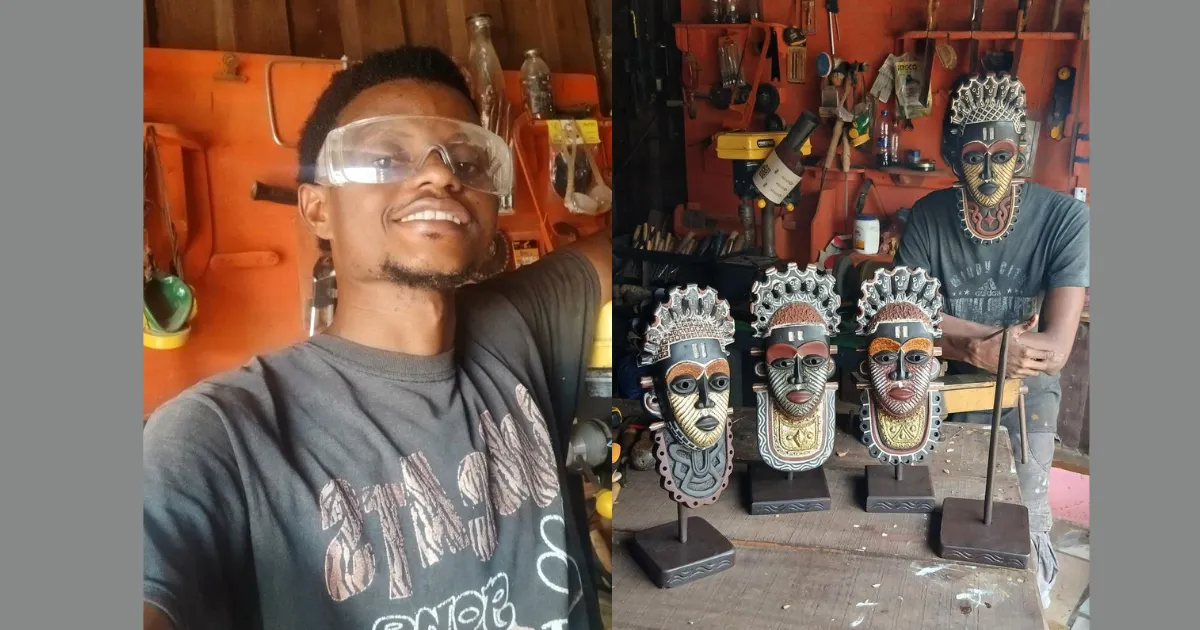
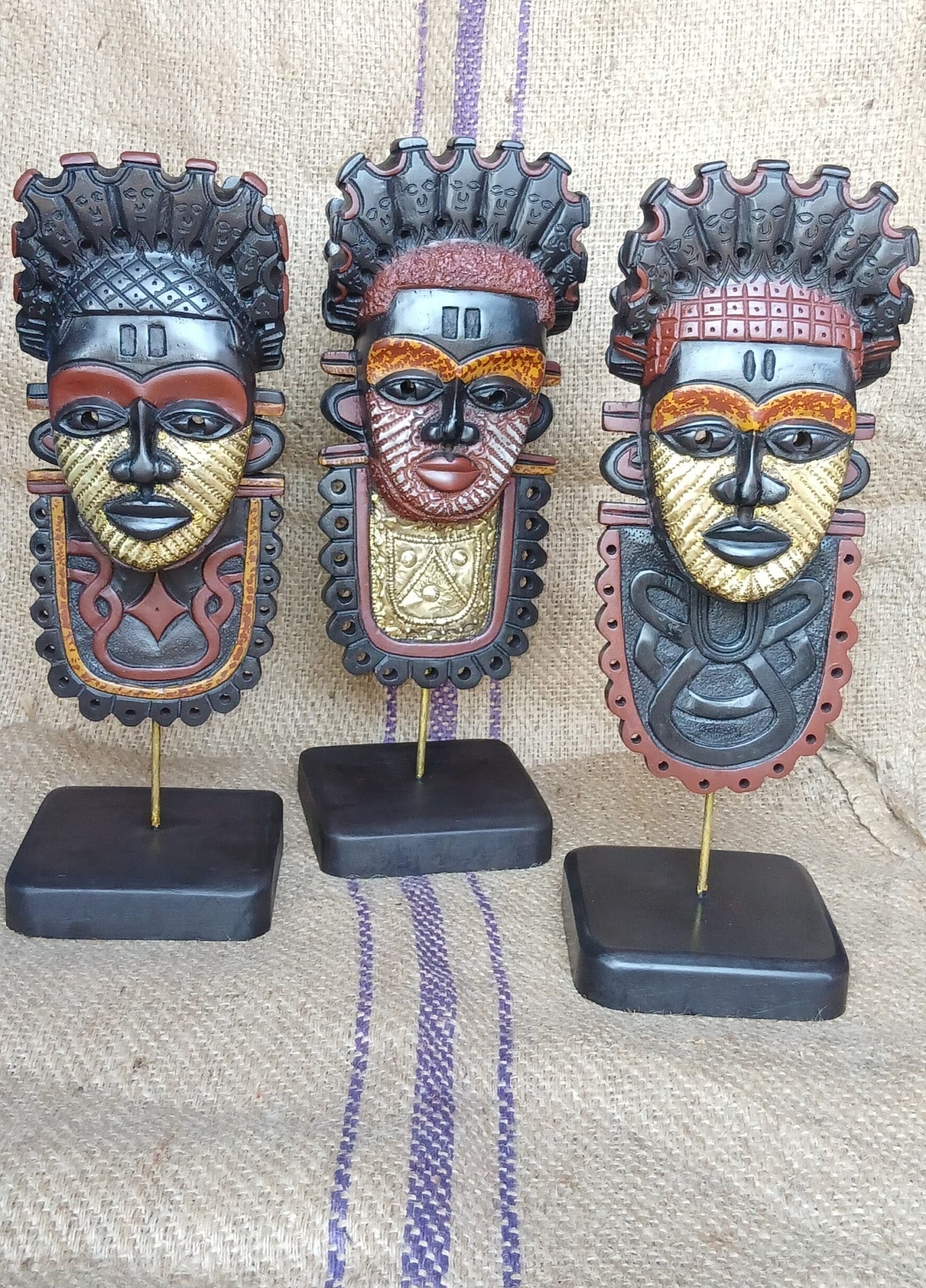
One piece that means a great deal to me is my interpretation of the Festac Mask, inspired by the famous Benin ceremonial mask that became the symbol of FESTAC '77.
Although I carved it in Ghana, the sculpture celebrates a cultural icon recognised across Africa. It stands 13 inches tall and is handcrafted from wood, brass, aluminium and glass beads, with every surface carefully painted and finished by hand.
I hope people notice the small details the layered metals, the beadwork, the balance of textures and the precision of every carved line. Each material was chosen to add depth while honouring the spirit of the original mask. It is designed as both a work of art and a statement piece that celebrates African heritage.
Another work I am particularly proud of is my Congolese Chokwe Mask, carved from premium teak wood. It combines embossed brass and aluminium, white kaolin clay, cowrie shells and hand-dyed fabric to pay tribute to the rich artistic traditions of the Chokwe people of Angola, the Democratic Republic of Congo and Zambia.
Tell us about a memorable piece you created for a customer. What were they looking for, how did you bring their idea to life, and what did their response mean to you?
One commission that stays with me was a handcrafted African wooden mask created for a collector who wanted a piece that reflected African identity and cultural pride.
I worked closely with the client to understand the feeling they wanted the artwork to convey before carefully carving the wood and adding traditional patterns and handcrafted details.
When they received the finished piece, their appreciation reminded me that my work is more than craftsmanship. It creates a connection between people and African culture, regardless of where they live.
For someone discovering your work today, what pieces are available to purchase or commission, and how does ordering work, including custom requests, pricing and delivery outside Ghana?
My work includes handmade African masks, wood sculptures, djembe drums, and decorative pieces. Some pieces are available for purchase, and I also accept custom commissions based on customers’ ideas and preferences. Prices depend on the design, size, and materials. To order, customers can contact me through Instagram, DM for pricing and details. I’m also open to international orders and can arrange delivery outside Ghana.
For readers interested in owning or commissioning your work, where can they find you and purchase your pieces? Please list your website, social media, online shops and any galleries or physical locations. Do you accept custom orders and ship internationally?
Collectors can explore my work on Instagram at @emmanuel_senaya_fianu, where I regularly share new sculptures, masks, drums and commissioned pieces.
I work from Accra, Ghana, and welcome both private collectors and organisations interested in acquiring or commissioning handcrafted African art. International enquiries and shipping are available.
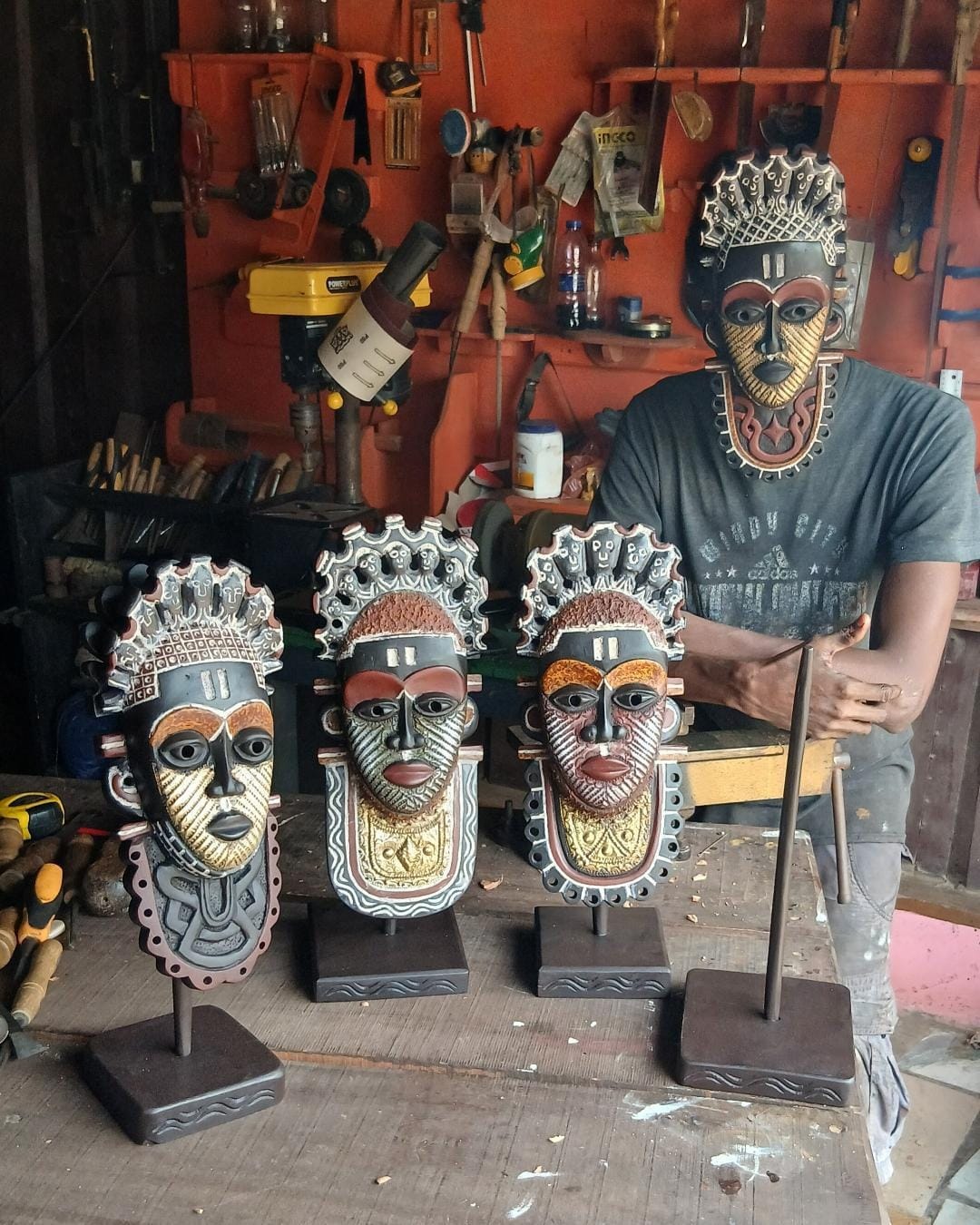
My Legacy.
Through every hardship I faced as a craftsman, I learned that success is not built overnight. Every struggle, every mistake, every long day, and every difficult moment became part of my journey.
My legacy is not only the art I create, but the lessons I leave behind. I want every craftsperson who hears my story to understand that hardship is not the end of the journey—it is part of the process of becoming great.
Never give up on what you do. Keep learning, keep creating, stay humble, and keep pushing forward. One day, your struggles will become the story that inspires others.
Some artists inherit studios. Others inherit traditions.
Emmanuel Senaya Fianu inherited neither.
He built his craft from discarded timber, improvised tools and years of quiet persistence, proving that mastery is often shaped long before recognition arrives. Today, his sculptures, ceremonial masks and instruments stand not only as works of art, but as living expressions of African heritage objects that carry history, craftsmanship and identity into homes and collections around the world.
For Emmanuel, carving has never been simply about transforming wood. It is about preserving culture, honouring tradition and leaving behind work that continues to speak long after the final cut has been made.
Emmanuel Senaya Fianu is a Ghanaian wood sculptor and craftsman based in Accra. His work spans handcrafted African masks, sculptures, ceremonial objects and traditional djembe drums, each shaped by techniques rooted in West African craftsmanship. Working primarily with wood and natural materials, he creates pieces that celebrate African identity while preserving artistic traditions for contemporary collectors around the world.