



Fashion has long been one of the world's most powerful cultural languages. Every stitch, silhouette, and textile carries history, identity, and tradition. Yet for Nigerian designer Marilyn Nwosu, the conversation goes beyond creating beautiful garments. Her mission is to ensure African fashion is not simply admired on special occasions, but recognised as part of everyday global style.
Speaking with IKONIK Magazine at the North America International Fashion Show in Vancouver, the founder of House of Mary Nwosu shared the inspiration behind a collection that celebrated the richness of an entire continent rather than a single culture.
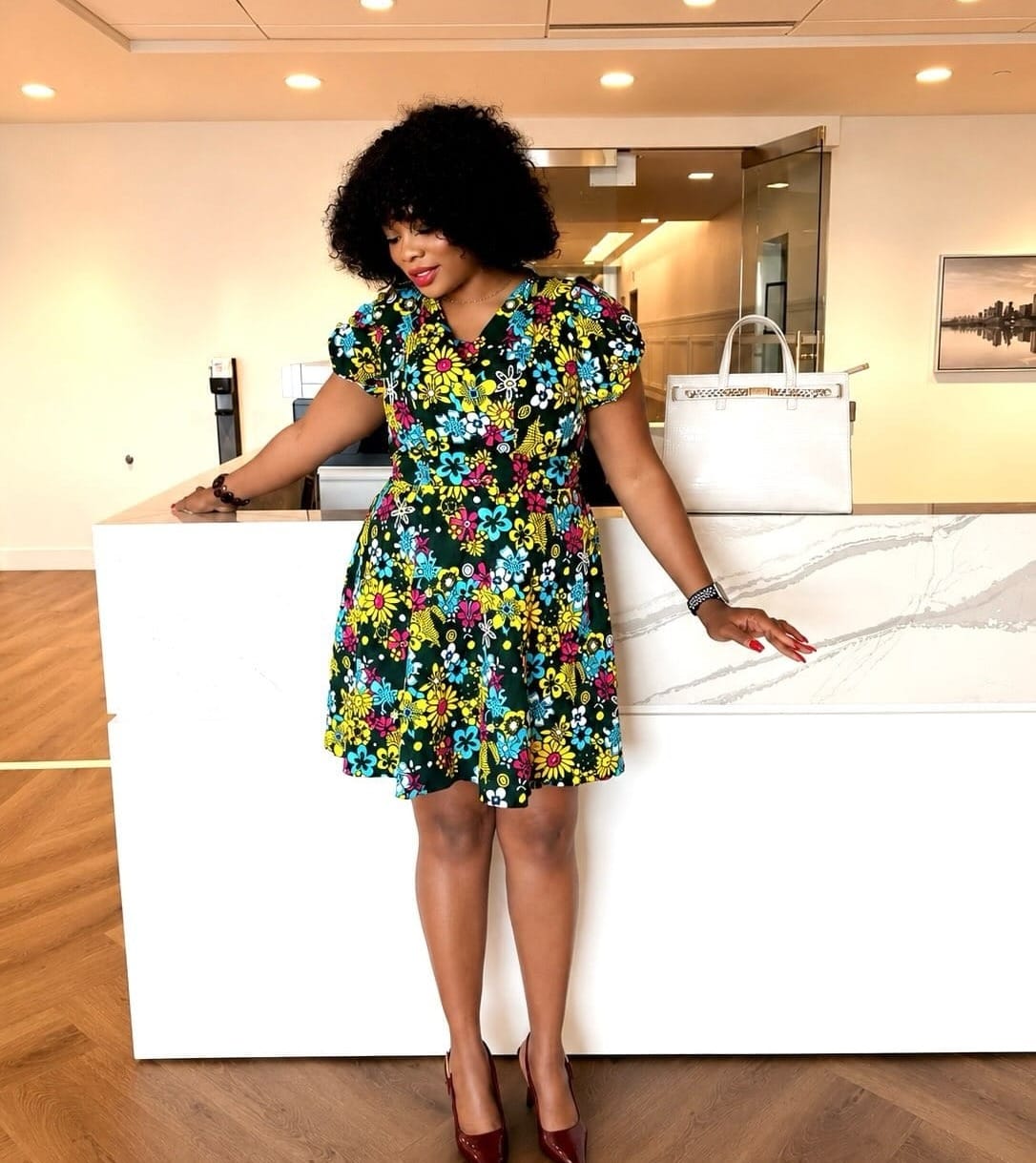
Instead of focusing on one country or region, Marilyn deliberately brought together influences from across Africa. Working alongside a Kenyan artisan, she designed each piece to reflect different parts of the continent—creating a collection that honours Africa's diversity while presenting a unified story of identity and craftsmanship.
"I wanted to merge every side of Africa," she explained.
The result was a series of contemporary designs inspired by regions including West and North Africa, proving that cultural heritage and modern fashion can exist in the same space. Her garments are designed to be elegant, versatile, and wearable pieces that move effortlessly from celebrations to everyday life without losing their cultural significance.
But for Marilyn, the clothes are only the beginning.
When asked what she hopes audiences experience as her designs come to life on the runway, her answer wasn't about trends or aesthetics.
"I want people to feel our story, not just see it."
That philosophy defines her work. Every collection becomes an opportunity to introduce audiences to African creativity through emotion, craftsmanship, and storytelling rather than stereotypes.
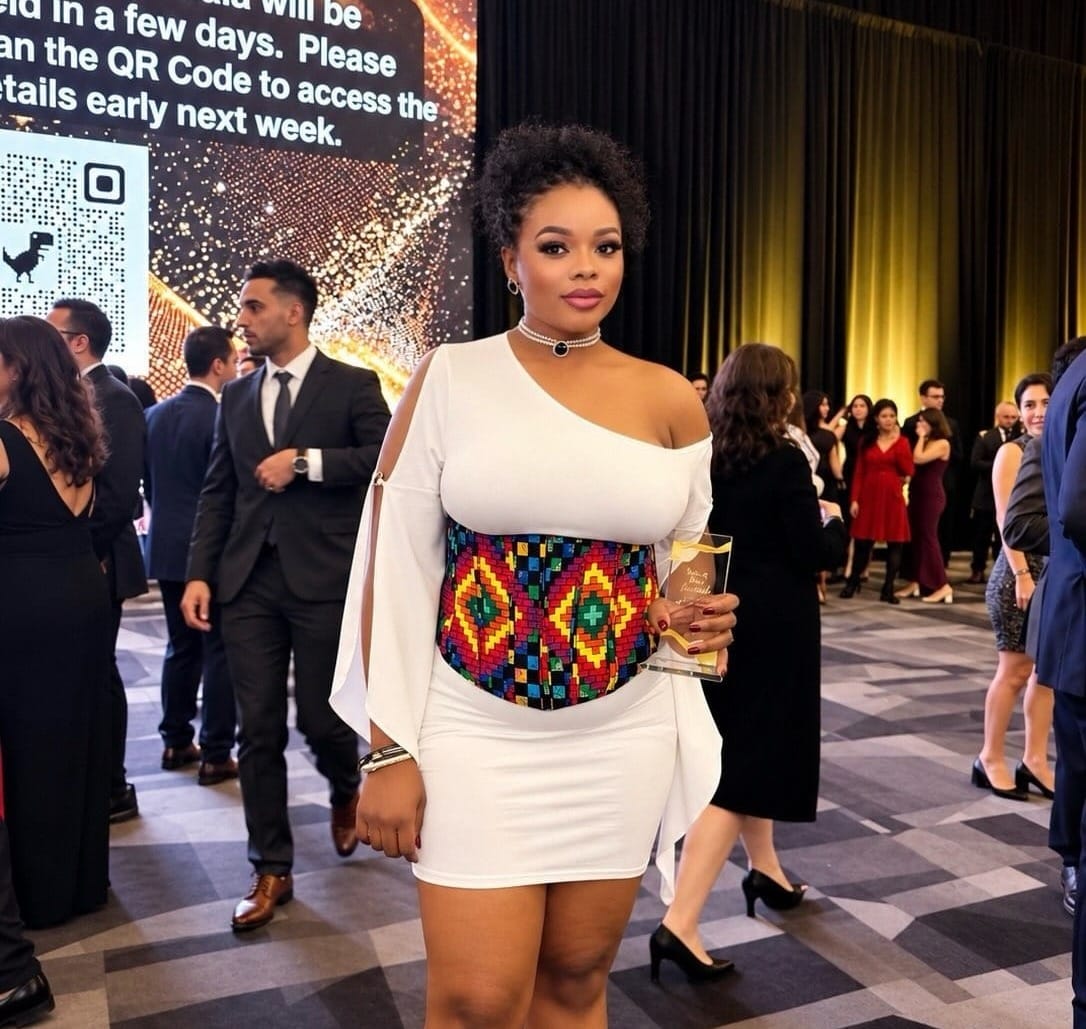
Her ambition, however, extends far beyond the runway.
Living in Vancouver has shown Marilyn how different cultures are represented in mainstream retail. Fashion inspired by Europe, Asia, and other parts of the world is readily available in major shopping centres. She believes African fashion deserves that same visibility not tucked away in specialty stores, but proudly displayed alongside global brands.
"I want people to walk into stores like Walmart and find African prints and African crafts there," she said. "I want people to see why they should wear our African attire."
It's a vision rooted not in competition, but in inclusion. Marilyn is quick to acknowledge and celebrate African-owned businesses already serving their communities. What she hopes to see is broader recognition a future where African design is treated not as a niche market, but as a natural part of the global fashion industry.
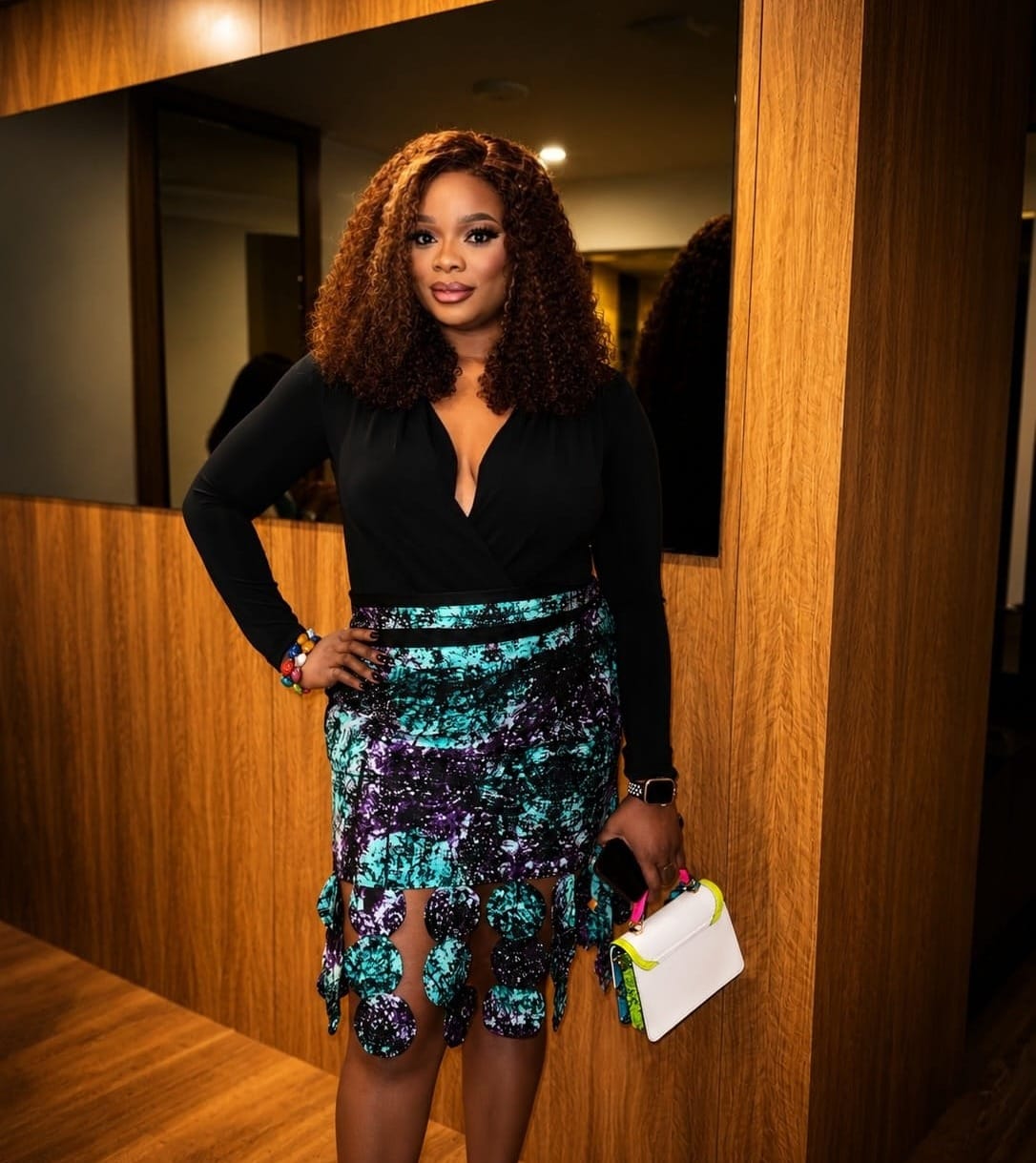
The message resonated with those wearing her designs. One of the evening's models described the collection as a celebration of African womanhood, with every detail embodying strength, elegance, royalty, and feminine energy. The garments represented more than fashion; they reflected heritage, identity, and pride.
As conversations around representation continue to reshape industries around the world, designers like Marilyn Nwosu are helping redefine Africa's place within global fashion. They are not asking for a seat at the table they are expanding the table itself.
For Marilyn, success won't simply be measured by sold-out collections or runway applause. It will come when African prints, craftsmanship, and design become an everyday part of the shopping experience visible, accessible, and valued wherever people choose to buy their clothes.
Because the future she imagines is one where wearing Africa isn't a statement.
It's simply normal.
Marilyn Nwosu is a Nigerian fashion designer and the founder of House of Mary Nwosu, a brand dedicated to celebrating African identity through contemporary design. Inspired by the rich diversity of the continent, Marilyn creates pieces that blend cultural heritage, craftsmanship, and modern elegance. Through her work, she is championing a future where African fashion is recognised, accessible, and celebrated on the global stage.


