

Muscle recovery is one of the most talked-about — and most misunderstood — aspects of athletic performance.
Athletes and active sportspeople train with structure, discipline, and intention, yet recovery is often rushed or left to products that promise instant relief without truly supporting the body after effort.
The result is familiar to many active people: lingering soreness, inconsistent comfort, and recovery routines that feel aggressive rather than restorative.
So what actually works when it comes to post-workout muscle recovery — and why do so many solutions miss the mark?
Why muscle recovery is more than pain relief
Effective recovery is not about masking discomfort.
It’s about helping the body return to balance after physical stress — supporting muscles, skin, circulation, and overall comfort so athletes and active sportspeople can return to training with confidence.
Some of the most common recovery mistakes include:
- treating recovery as optional instead of strategic
- relying on harsh cooling or heating sensations
- ignoring skin sensitivity and daily tolerance
- confusing “strong sensation” with real effectiveness
For athletes who train several times a week, recovery must be repeatable, safe, and sustainable — not something the body has to endure.
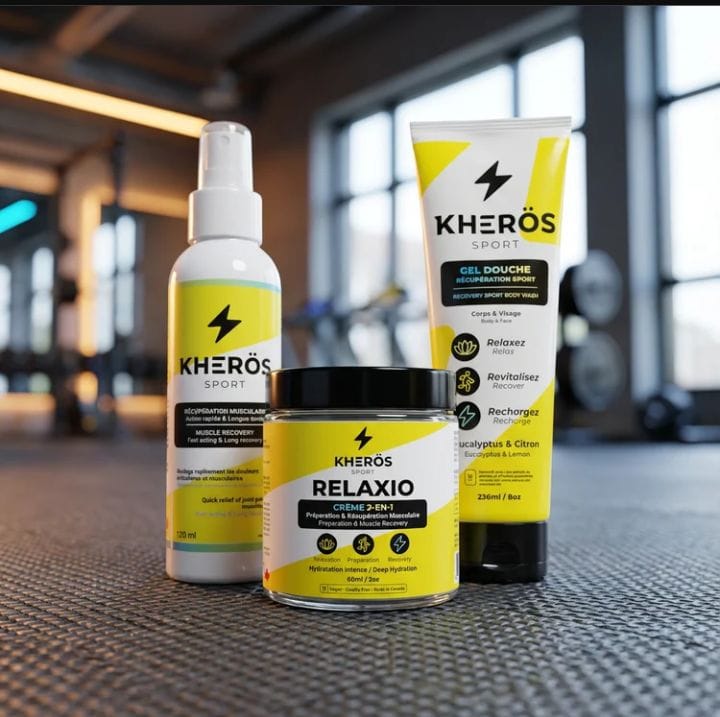
What athletes and active sportspeople actually need after training
Across endurance sports, strength training, and high-intensity workouts, effective recovery routines tend to share the same fundamentals.
A practical post-workout recovery routine includes:
1. Proper cleansing
After exercise, sweat and friction can leave the skin irritated and uncomfortable.
A well-designed post-workout cleanse helps:
- remove sweat and buildup
- prevent post-exercise skin discomfort
- prepare the body for recovery care
2. Muscle soothing without aggression
Recovery products should support muscular comfort without overwhelming the skin.
Athletes increasingly look for:
- gentle, plant-based or naturally inspired ingredients
- non-doping, skin-safe formulations
- freshness that soothes rather than shocks
3. Resetting the body for the next effort
Recovery is not about stopping movement — it’s about enabling consistency.
A good routine helps the body:
- feel comfortable again
- reduce lingering tension
- return to training with stability
When these elements work together, recovery becomes a system, not a reaction.

Why many recovery products miss the mark
Despite growing interest in athletic wellness, many muscle recovery products are still built around short-term sensation.
Common gaps include:
- formulas that are too harsh for frequent use
- intensity prioritized over tolerance
- limited consideration for skin health
- routines that feel clinical rather than intuitive
For active athletes, recovery needs to fit seamlessly into daily life — not feel like an intervention.
An athlete-informed perspective on recovery
According to Mikhaïl N., former student-athlete and founder of KHERÖS® Sport Company, a Montreal-based brand, recovery often fails because it is treated as an afterthought rather than a discipline.
Drawing on his background in competitive sport and communications, Mikhaïl emphasizes that recovery should be:
- as intentional as training
- compatible with sensitive, athletic skin
- designed for real-world, repeat use
This approach reflects a broader shift in sport culture — toward recovery routines that athletes can actually maintain over time.

Who this approach to recovery is for
This recovery model resonates especially with:
- runners, cyclists, and endurance athletes
- gym-goers and strength trainers
- recreationally active sportspeople training several times a week
- athletes with sensitive or reactive skin
- coaches and trainers supporting long-term performance
- anyone seeking a healthier post-workout routine
Rather than chasing trends, these athletes prioritize consistency, comfort, and well-being.
Recovery as part of performance — not separate from it
As athletic culture evolves, recovery is no longer seen as downtime.
It is part of the performance equation.
Athletes and brands alike are moving toward recovery solutions that:
- respect the body
- support frequent training
- align with wellness rather than shortcuts
When recovery is done right, it becomes something athletes return to — not something they rush through.
Key Takeaways
- Muscle recovery is about restoring balance, not masking pain
- Effective routines are gentle, repeatable, and athlete-informed
- Recovery works best as a system, not a single product
- Athletes increasingly seek skin-safe, non-aggressive recovery solutions
IKONIK Editor’s Note
As part of our editorial process, we personally experience the brands and products we cover when relevant.
For this article, the IKONIK editorial team used the KHERÖS® Sport body wash as part of a regular post-workout routine. The experience stood out for its effectiveness without aggression — cleansing the body thoroughly while remaining gentle across skin types, making it especially well-suited for regular use after training. The scent was subtle and soothing, creating a relaxing, grounding feel after physical effort rather than an overpowering sensory effect.
The overall experience aligned closely with the recovery principles discussed above: simple, calming, and designed for repeat, real-world use by active bodies.
This note reflects an independent editorial experience and does not replace individual preference or professional advice.
FAQ — Muscle Recovery
What helps muscles recover faster after exercise?
Consistent routines that combine gentle cleansing, muscle-soothing care, hydration, adequate rest, and proper nutrition tend to support recovery more effectively than aggressive treatments.
Are muscle recovery products safe for daily use?
Products designed for athletes and active sportspeople should be safe for frequent use, non-doping, and suitable for sensitive skin. Daily tolerance is essential for consistent training.
Is natural muscle recovery effective?
Yes. When natural or plant-based ingredients are selected for both efficacy and skin tolerance, they can support muscle comfort without irritation.
Does muscle recovery differ by sport?
Training demands vary, but most athletes benefit from the same recovery principles: soothing muscles, supporting skin health, and restoring comfort after effort.
What should a post-workout recovery routine include?
A simple routine often includes cleansing after exercise, applying a muscle-soothing product, light movement or stretching, hydration, and rest.
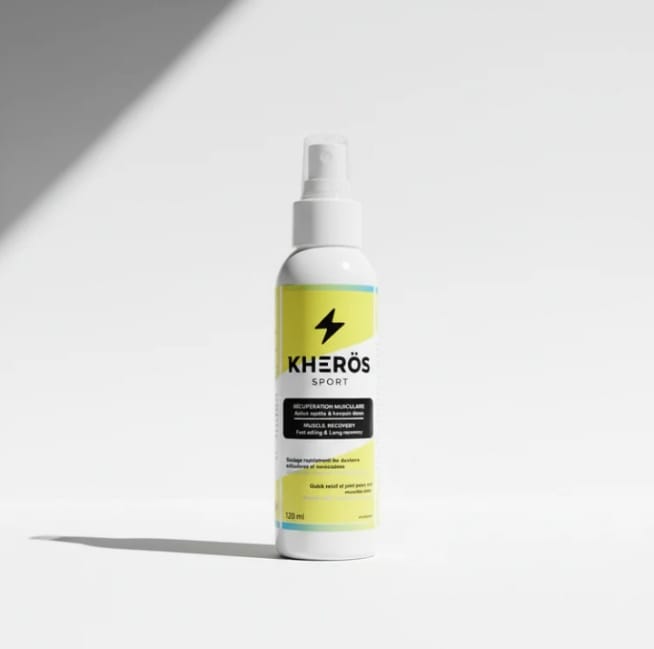
If you’re an active athlete looking to build a healthier, more consistent post-workout recovery routine, explore solutions designed with real training in mind. → Discover athlete-informed recovery care
For Coaches & Trainers
If you support athletes and want recovery options aligned with performance, skin safety, and daily use, this approach may fit your training philosophy. → Learn more about recovery routines athletes actually follow
For Partners & Athletic Organizations
If you work with sports communities, gyms, or athletic programs and are exploring healthier recovery standards, this perspective offers a thoughtful place to start. → Explore collaboration opportunities
Disclosure: Products referenced were independently purchased by the IKONIK editorial team.