If I could go back and talk to her, the girl I was by middle school, I wouldn’t start with body talk. I would start with this:
I see you. You’re not invisible to me.
Because, despite the way eating disorders are often portrayed, they’re not always visible. They don’t just look like extreme thinness or dramatic physical change. In fact, fewer than 6% of those in treatment are underweight. Most are lived quietly, hidden in routines, justified as “discipline,” or even praised as “healthy.”
Eating disorders are more common than people realize. In Canada, one in five women and one in seven men will experience an eating disorder by age 40. And yet, most go untreated, often because shame keeps people from naming what’s really going on.
For many, that shame begins in adolescence, when emotional overwhelm meets a brain still learning how to regulate.
Mine did.
It started quietly. One missed lunch in eighth grade turned into the next.
A few years earlier, I was a shy but playful child. Then the divorce happened, and everything felt confusing in a way that Little Penny didn’t have words for. Food became something that soothed me. I hid in the pantry, reaching for that quick sugar rush when nothing else made sense.
Then came the comments. “Big-boned.” “Chubby.” Words I pretended didn’t sting. Until they did.
By 13, I was skipping meals regularly. Not because I wanted to be thin (at first), but because hunger gave me something else to feel. It quieted the noise, the mean voices, especially my own. The voice telling me I wasn't worthy. Not of my father’s time, not of fitting in, not of being seen.
And then something confusing happened. The weight dropped, and suddenly I was noticed. Complimented. Accepted. The adults in my fitness classes admired my “discipline.” I started making more friends at school. Even boys.
So, I learned something powerful and dangerous at the same time: shrinking myself made me more acceptable.
Back then, I didn’t have language for “pretty privilege” or “diet culture.” But I felt it. As a clumsy non-athletic girl with acne across my forehead, who felt overwhelmed in social situations, I believed I had to keep working harder to be enough.
If I could sit beside my child self, I would tell her this:
What you’re feeling has nothing to do with willpower and everything to do with a complicated pain you don’t yet have the words for. Want to talk it out?
Because what I wouldn’t know, for decades, is that these coping patterns don’t disappear. They lurk.
They can return years later. For me, it was during the emotional and hormonal upheaval of becoming a new mother. The same voice, louder, telling me that I gained too much weight, that I failed, and that control through restriction might quiet everything again.
And I believed it. Because it worked before.
I tried to outrun it. Through fitness. Through discipline. Through pushing my body harder. I built strength, even stepped onto a stage and was rewarded for how I looked, while privately feeling more trapped than ever in needing to maintain this appearance. To sustain the privilege of social acceptance.
From the outside, it looked like control. Inside, it was fear. Some nights, terror. Most foods were no longer “safe”. Eating in restaurants became a perceived threat to my identity.
Even in adulthood, I didn’t have language for any of this. I don’t “look” like someone with an eating disorder. Like so many Canadians, missed, because my struggle doesn’t match the stereotype. But the patterns were there. The need for control. The fear of not being enough. The quiet, persistent shame.
Eventually, I saw all of it. In perimenopause, I got the support I’d always craved. I started to understand that my experience wasn’t about failure, it was about complexity. A mix of biology, psychology, and many social environments since childhood “giving” the vibe that being fat is morally wrong. I learned that what I’d been calling discipline was, at times, a way to cope with something much deeper.
I learned that my experience has a name, Atypical Anorexia. And that understanding, among other late-diagnoses, changed everything.
Because today, I see what’s happening to the next generation. Gen Z, even Gen Alpha kids are growing up in what I call the “appearance economy,” where identity and worth are tied to how one looks, before all else. Beauty standards reach them earlier. Social pressures are amplified. Trends like “Looksmaxxing” are now pushing extreme and often harmful ideals on boys and young men.
They’re absorbing messages about who they’re supposed to be long before they have the tools to question them.
And for those already vulnerable, because of temperament, family or social traumas, food insecurity, athletic or scholarly performance pressures, and the often misunderstood genetic links to anxiety, depression, mood disorders, neurodiversity and so many more possible combinations, the risk may be even greater.
If I could go back and sit with my child self, I wouldn’t celebrate our weight loss at 13. I would say: I see you. I see that something isn’t right. Let’s find the kind of help you deserve, now.
This is why early awareness matters. Eating disorders aren’t just about food. They’re about coping, regulation and the stories a person tells themself while the world is full of confusing values, and mixed messages about what models of success are meant to look like. An eating disorder can happen at any age, to any one.
Early signs of disordered eating to watch for might include: sudden changes in eating habits, rigid food rules, avoiding meals with others, compulsive exercise, increased mirror-checking, or a growing preoccupation with body image. More than any one behaviour, it’s disordered eating patterns that last which can flick the “on” switch to a full-blown health crisis.
The sooner we recognize the early signs and understand what’s really going on and change the conversations happening around home, schools and in the media the sooner we can interrupt the cycle before the patterns of disordered eating become a full-blown, and possibly life-threatening, eating disorder.
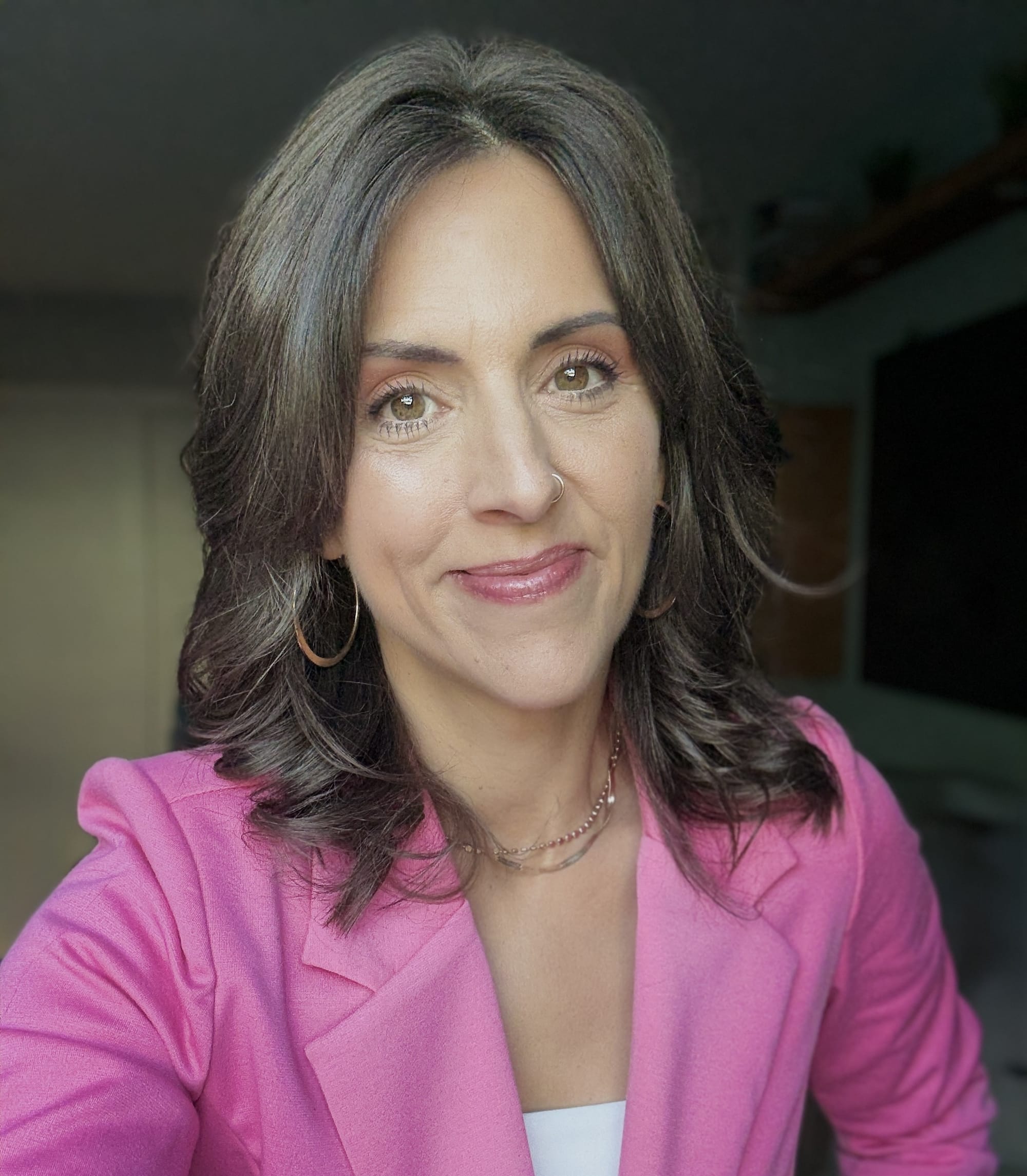
Penny Greening is the founder of Reframe Voices Society, a BC nonprofit on a mission to educate parents on how to get ahead of “the monster” that is an eating disorder before puberty and early adolescence dials up the risk. DM to join the waitlist and bring Beyond Body Talk to the parents of your child’s school.
Follow @ReframeVoices on Instagram, TikTok, LinkedIn or YouTube.