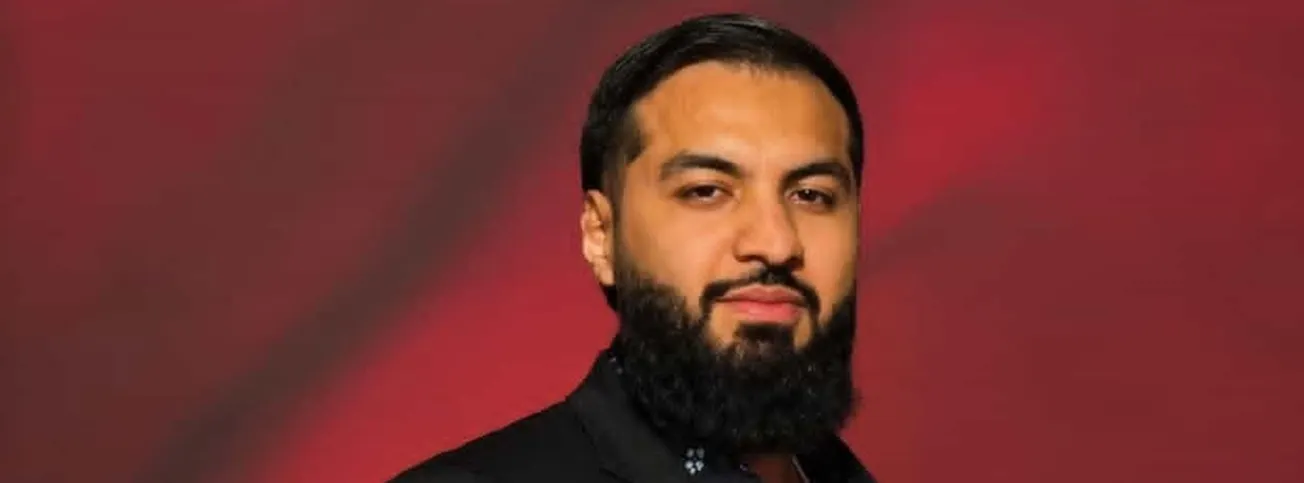
What was the moment when Safe Spot Foundation stopped being an idea and became something you had to build?
There wasn’t one defining moment; it was a pattern I couldn’t ignore. Through my work in schools and the community, I kept seeing the same challenges show up in young people’s lives: mental health struggles, trauma, gang exposure, and a lack of consistent support. What stood out most was that the systems around them were often reactive rather than proactive.
From a young age, my mom, who is a doctor, always told me that PREVENTION is BETTER than CURE. That idea stayed with me, and over time, it became the foundation of how I viewed youth work and mental health support.
The turning point came when I realised that many of these youth didn’t have a consistent, safe environment where they felt truly included, supported, and understood. In that moment, it became clear that if that space didn’t exist, it had to be built. Safe Spot Foundation stopped being just an idea; it became a necessity.
2. Before launching Safe Spot Foundation, what did you feel was missing in how mental health was being approached?
What was missing was a genuine connection
Much of the current approach to mental health is centred on intervention, stepping in after something has already happened. But in my experience, many young people don’t open up in clinical environments. They open up in spaces where they feel comfortable and understood; through sports, mentorship, and real, judgment-free conversations.
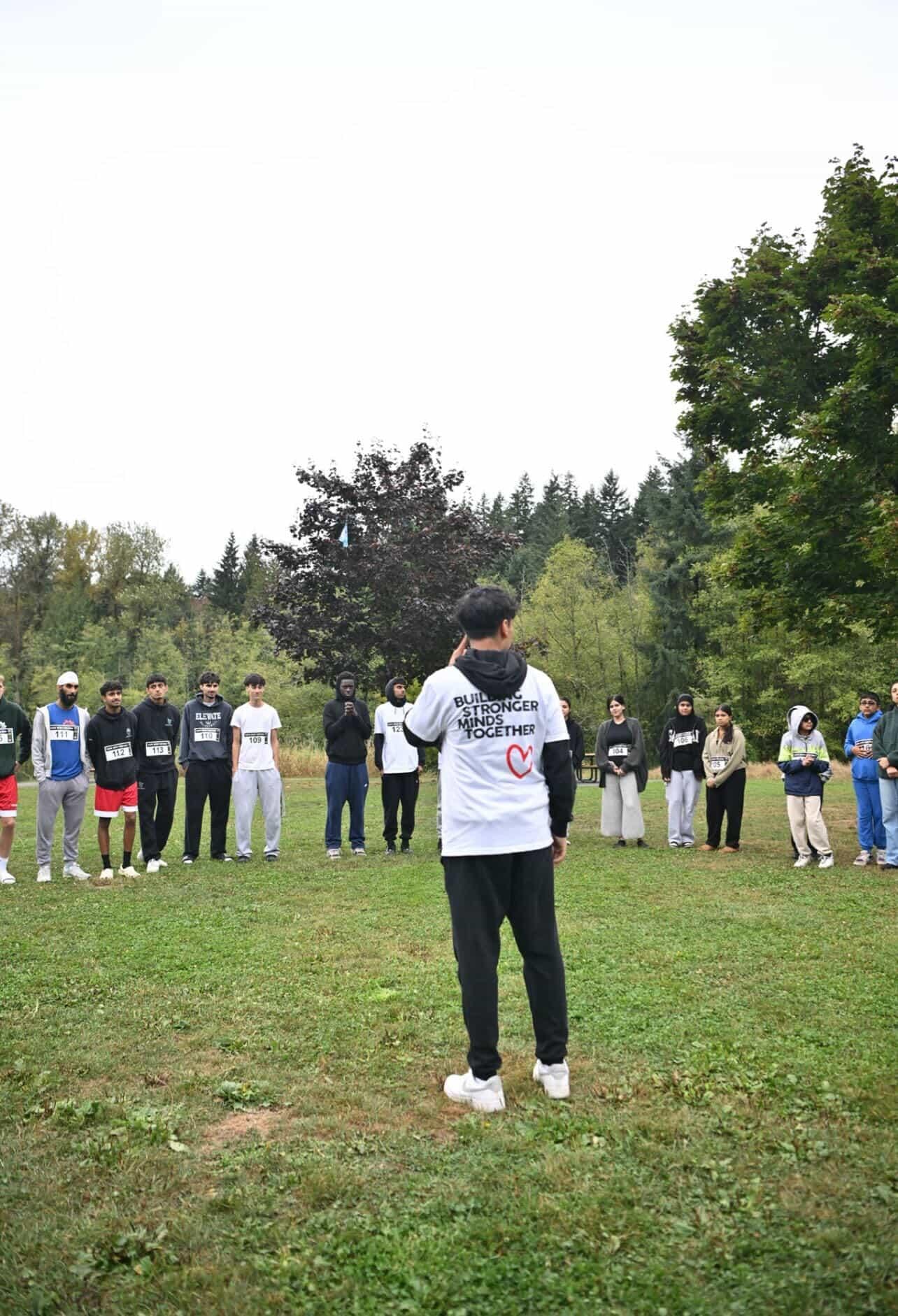
There’s also a significant gap in accessibility. Not every young person has access to therapy, or even knows how to navigate those systems. To me, that highlighted the need for something more community-driven, more relatable, and ultimately more preventative in its approach, and that’s why we run sports programs with a heavy focus on leadership and mentorship so these kids can feel empowered physically and mentally.
3. You speak about creating “safe spaces” — what does a truly safe space look and feel like in practice?
A true safe space isn’t just a place; it’s something you feel.
It’s an environment where young people can show up as they are, without fear of judgment, labels, or being misunderstood. It’s consistent, intentional, and built on trust and rapport over time.
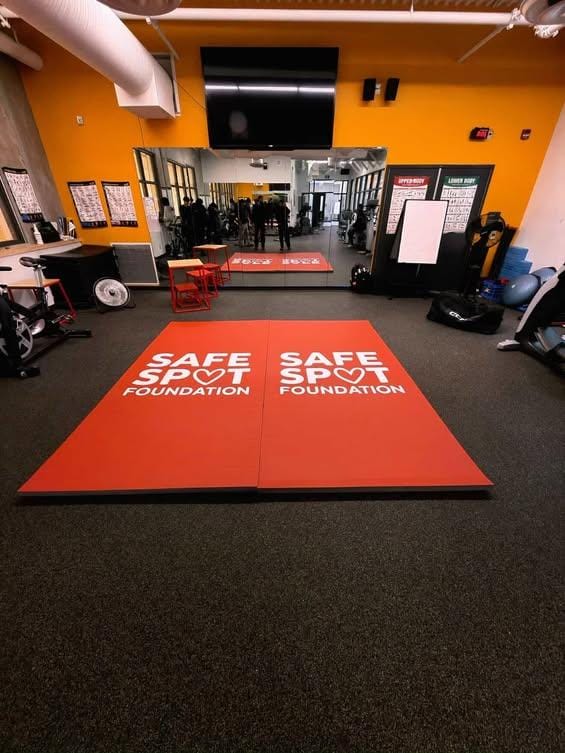
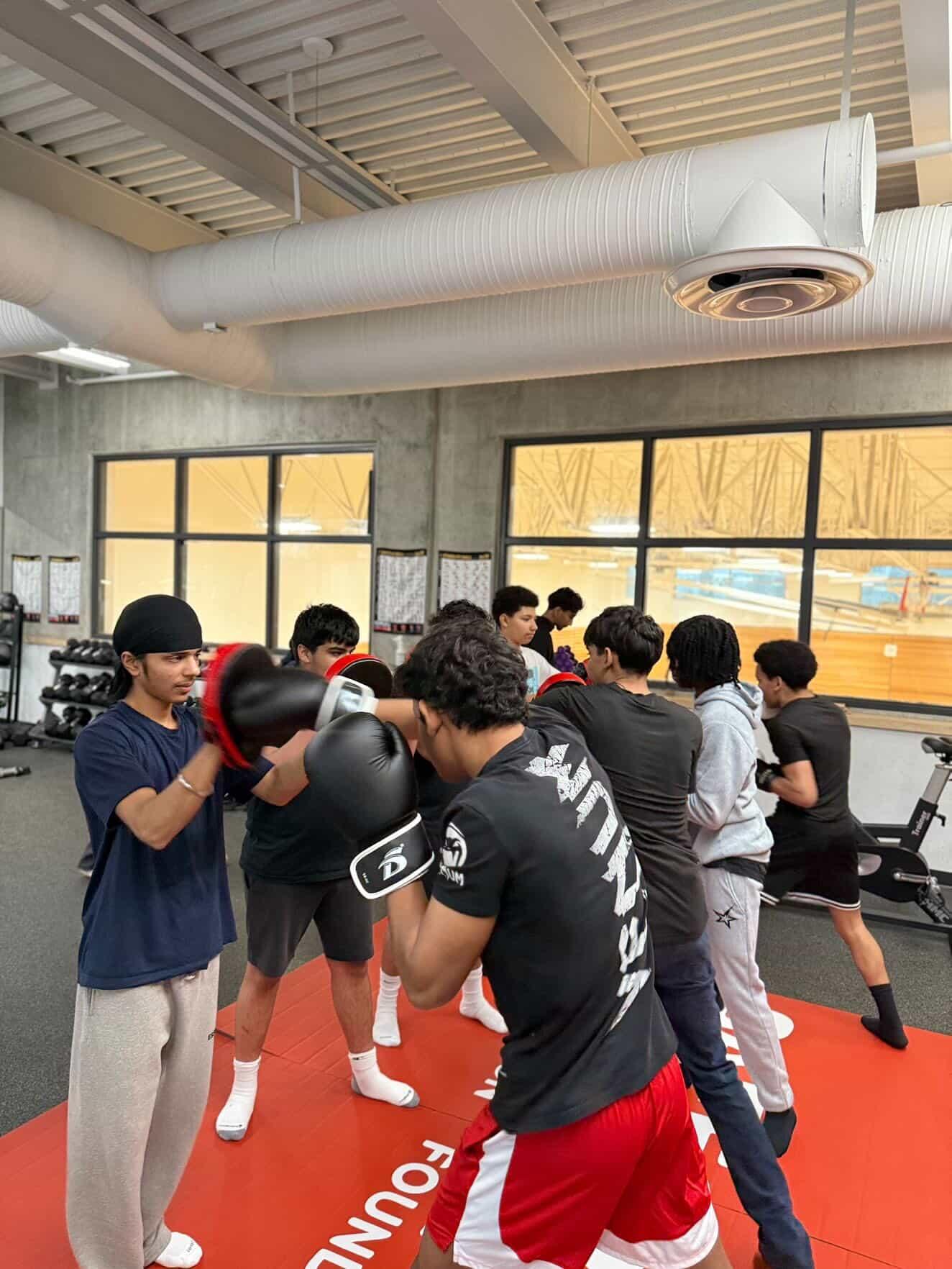
In practice, that means creating spaces rooted in mentorship, physical activity, and open, honest conversation. It’s taking the time to check in, build real relationships, and make each young person feel seen, valued and belonging. When that sense of safety is there, they begin to open up, and that’s where meaningful growth truly begins.
- What makes Safe Spot Foundation fundamentally different from other mental health initiatives?
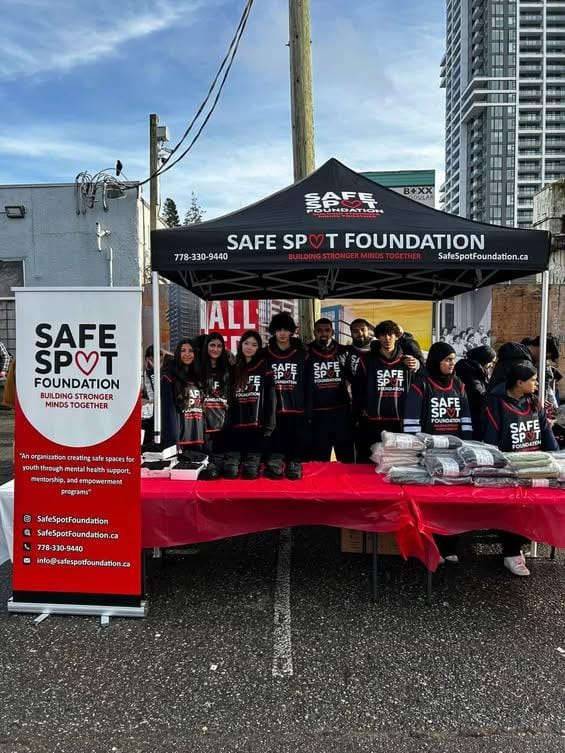
What sets Safe Spot apart is our approach; we meet youth where they’re at.
We don’t expect them to walk into a formal setting and immediately open up about their struggles. Instead, we focus on building genuine relationships first, through sports, mentorship, and consistent engagement. In that environment, mental health support becomes natural not forced.
We also place a strong emphasis on prevention, not just intervention. By creating structure, community, and positive role models early on, we’re able to address challenges before they escalate.
At its core, Safe Spot isn’t just a program, it’s a community where young people feel connected, supported, and empowered.
5. Can you share a moment or story that captures the real impact of your work?
There have been many meaningful moments, but one that stands out is a young person who was completely disengaged at school and later began showing up consistently to our program. He came from a challenging home environment, his father struggled with alcoholism, and there were elements of instability and abuse that deeply impacted him. As a result, he was often staying home and missing classes, which significantly affected his attendance.
He initially started attending our after-school program because of his love for sports and the connection with his peers. At first, he kept to himself but didn’t say much. Over time, through consistency and trust, he built a strong one-on-one rapport with me and began opening up about what he was going through at home.
With that understanding, we were able to better support him. I also connected with the school to keep them informed about his consistent involvement in the program, and together we worked toward encouraging him to re-engage with school. Through ongoing mentorship, we helped him understand the bigger picture, why attendance matters and how it connects to his future.
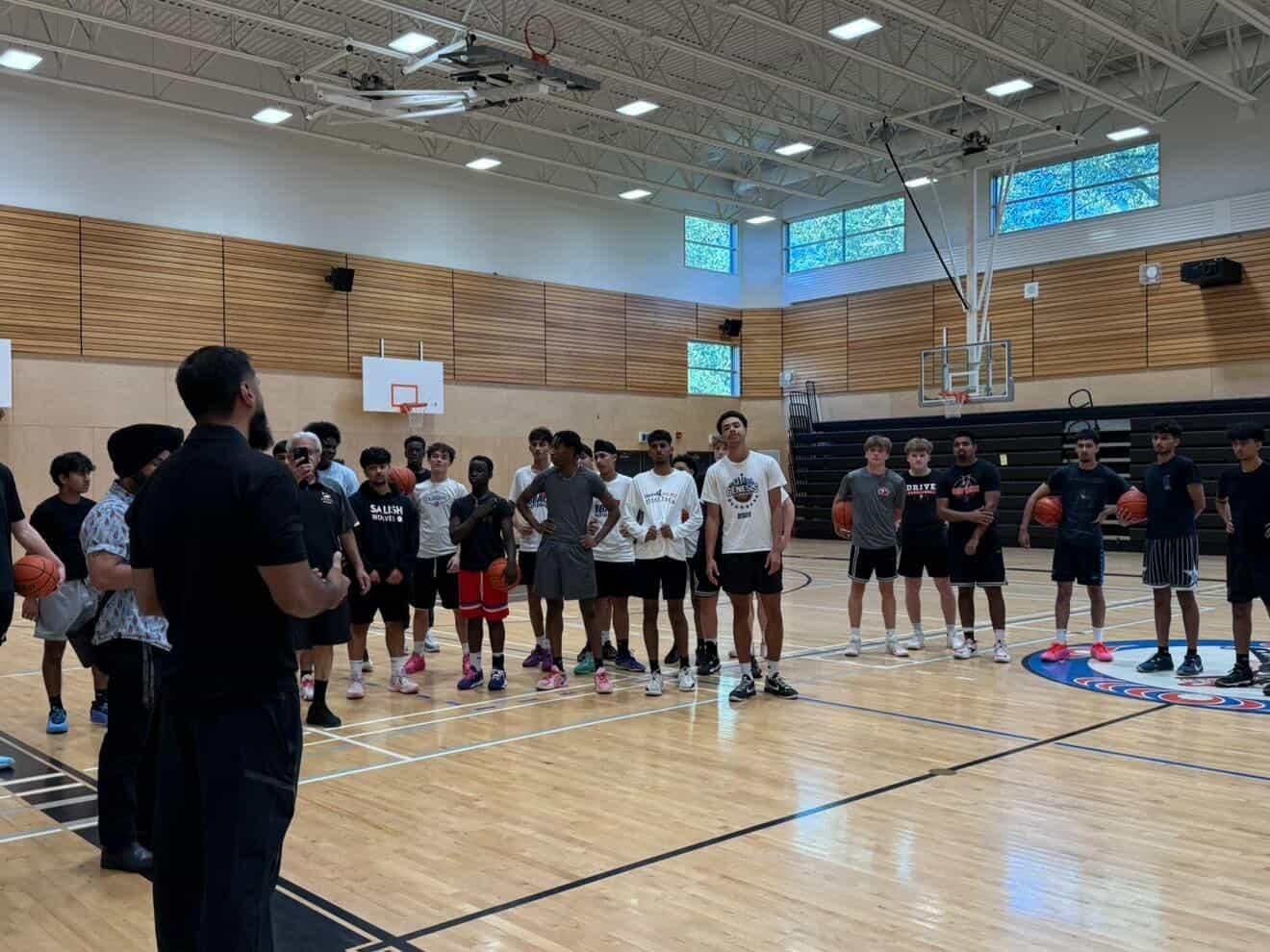
Gradually, we started to see real change. His attendance improved, and he became more engaged both in the program and at school. Watching that shift from being withdrawn and disconnected to becoming more present and hopeful reinforced exactly why this work matters. Often, the impact isn’t immediate; it’s found in the consistent, long-term change you begin to see in a young person’s life.
6. Mental health is more visible today — but where do you think the conversation is still falling short?
We’ve made real progress in talking about mental health, but we haven’t fully matched that conversation with meaningful action.
There’s still a gap between awareness and accessibility. While people are more open to discussing mental health, not everyone has access to consistent, ongoing support that truly meets their needs.
I also think one area where the conversation is still falling short is around young men’s mental health. Many young men grow up feeling like they have to put on a tough exterior that they can’t show vulnerability or open up, even to their own peers. There’s often this pressure to “handle it on your own,” which leads a lot of them to suffer in silence.
We also don’t talk enough about the root causes, things like trauma, environment, and systemic barriers. Until we start addressing those deeper issues, we’re only scratching the surface of what mental health support should really look like.
7. What are some misconceptions about mental health that you believe are still holding people back?
One of the biggest misconceptions is that mental health struggles look the same for everyone.
In reality, many people are carrying heavy challenges quietly while appearing completely fine on the outside. Another common misconception is that asking for help is a sign of weakness, when in truth, it takes real strength and courage to be vulnerable and open up.
There’s also a belief that support has to be formal or clinical to be effective. But often, meaningful support begins with something much simpler—a genuine connection, someone who listens without judgment, and a space where a person feels truly understood.
- What were some of the hardest moments in building Safe Spot Foundation — and what kept you going?
One of the most challenging parts has been building something from the ground up while navigating limited resources and a constantly growing need. There are ongoing pressures like securing funding, managing capacity, and making sure we can reach as many youth as possible without compromising the quality of support we provide.
What’s kept me going is the impact. Every time a young person shows up, opens up, or even asks, “Are we still running this program next week?” it says everything. It shows they’re looking forward to being there, that it’s something they count on. When I see that excitement, that sense of belonging, and the smiles it brings, it reminds me that this space is giving them hope and belonging.
At the end of the day, it’s bigger than me, it’s about the community and the young people we’re supporting.
9. If someone reading this is struggling silently, what would you want them to hear — even if no one has said it to them before?
If someone is struggling silently, the first thing I’d want them to hear is this: you’re not alone, even if it feels like you are.
A lot of people are carrying things they don’t talk about, especially when they feel like they have to stay strong for everyone else. But you don’t have to keep everything bottled up. What you’re going through is real, and it matters.
You deserve support, you deserve to be heard, and you deserve to feel better. Opening up might feel uncomfortable at first, but it can also be the first step toward real change.
And even if no one has told you this before, your situation doesn’t define you. There is a way forward, and there are people who will walk that path with you.