Creativity is often the heartbeat of a beauty brand. It drives formulation ideas, sensory experiences, brand identity, and the emotional connection between product and customer. For many founders, creativity is what sparked the business in the first place.
Compliance, when approached thoughtfully, does not compete with that creativity. It supports it.
In today’s global beauty industry, successful brands are built at the intersection of creative vision and structured execution. Across markets such as Canada, the United States, Europe, South America, and Asia, brands that grow sustainably share one common trait. They understand how to align innovation with regulatory responsibility from the beginning.
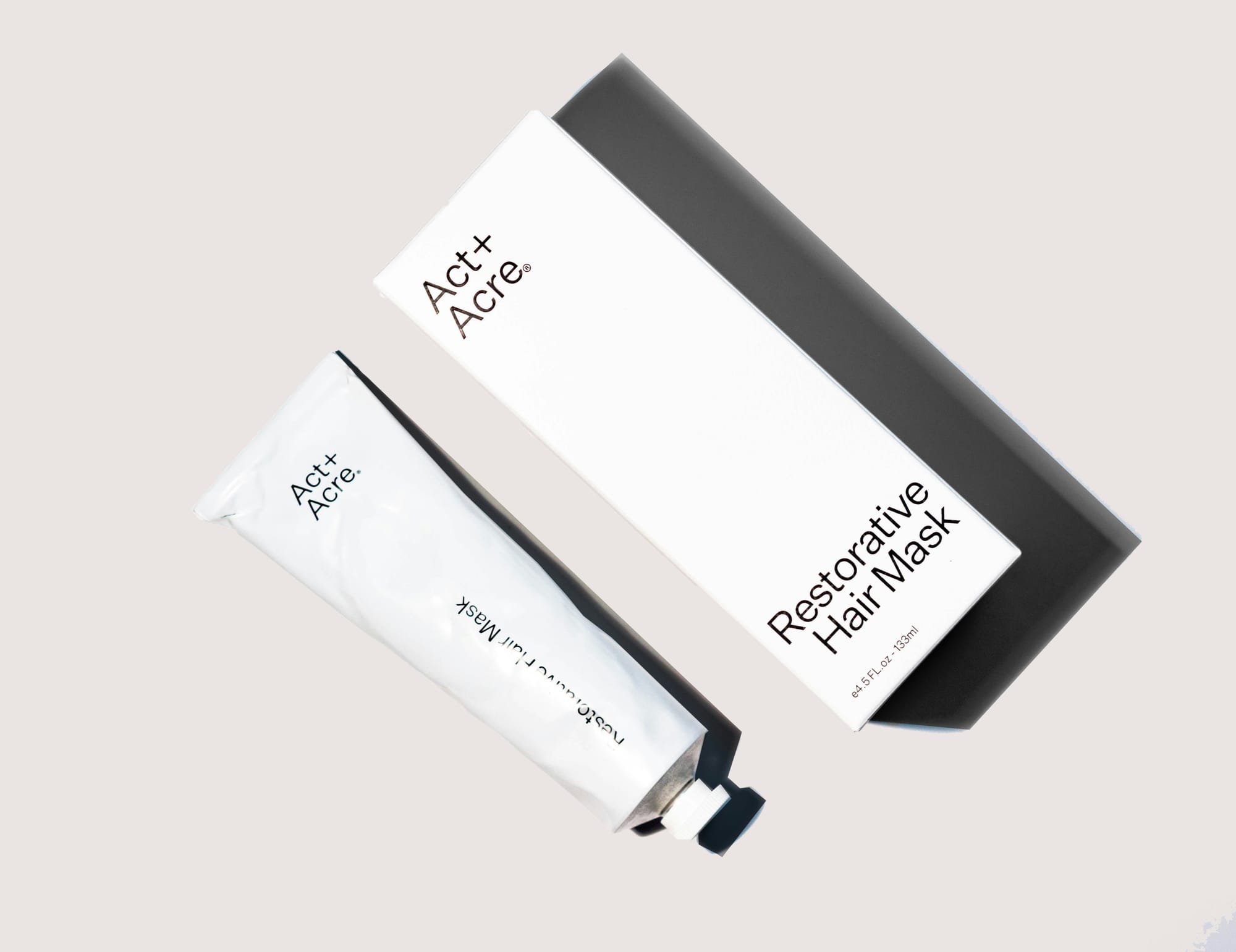
Current Good Manufacturing Practices, commonly referred to as GMP, provide the framework that allows creativity to become consistent, safe, and scalable. GMP introduces control, documentation, and traceability into formulation and manufacturing processes. Rather than limiting innovation, these practices help brands ensure that what works once can work again, reliably and safely.
Regulatory awareness follows the same principle. From the moment a cosmetic product is placed on the market, whether sold locally, online, or internationally, the brand owner holds responsibility for product safety, accurate labeling, and truthful marketing claims. Understanding this early allows founders to make informed decisions that support long-term growth.

In Canada, cosmetic products must comply with Health Canada requirements, including ingredient disclosure, labeling standards, and notification through the Cosmetic Notification Form. In the United States, cosmetics are regulated by the FDA, and the introduction of the Modernization of Cosmetics Regulation Act (MoCRA) by December 2022 has increased expectations around safety substantiation, adverse event reporting, and documentation. While some MoCRA requirements vary based on business size or activity, awareness and planning benefit brands at every stage of growth.
Beyond North America, brands encounter additional layers of complexity. South American markets such as Brazil and Mexico operate under structured regulatory authorities with defined notification or registration pathways. In the European Union, cosmetics require a Responsible Person, safety assessments, a Product Information File, and strict ingredient controls. In many Asian markets, cosmetics may require premarket approval, stability data, or local representation and, in some cases, are regulated similarly to quasi drugs.
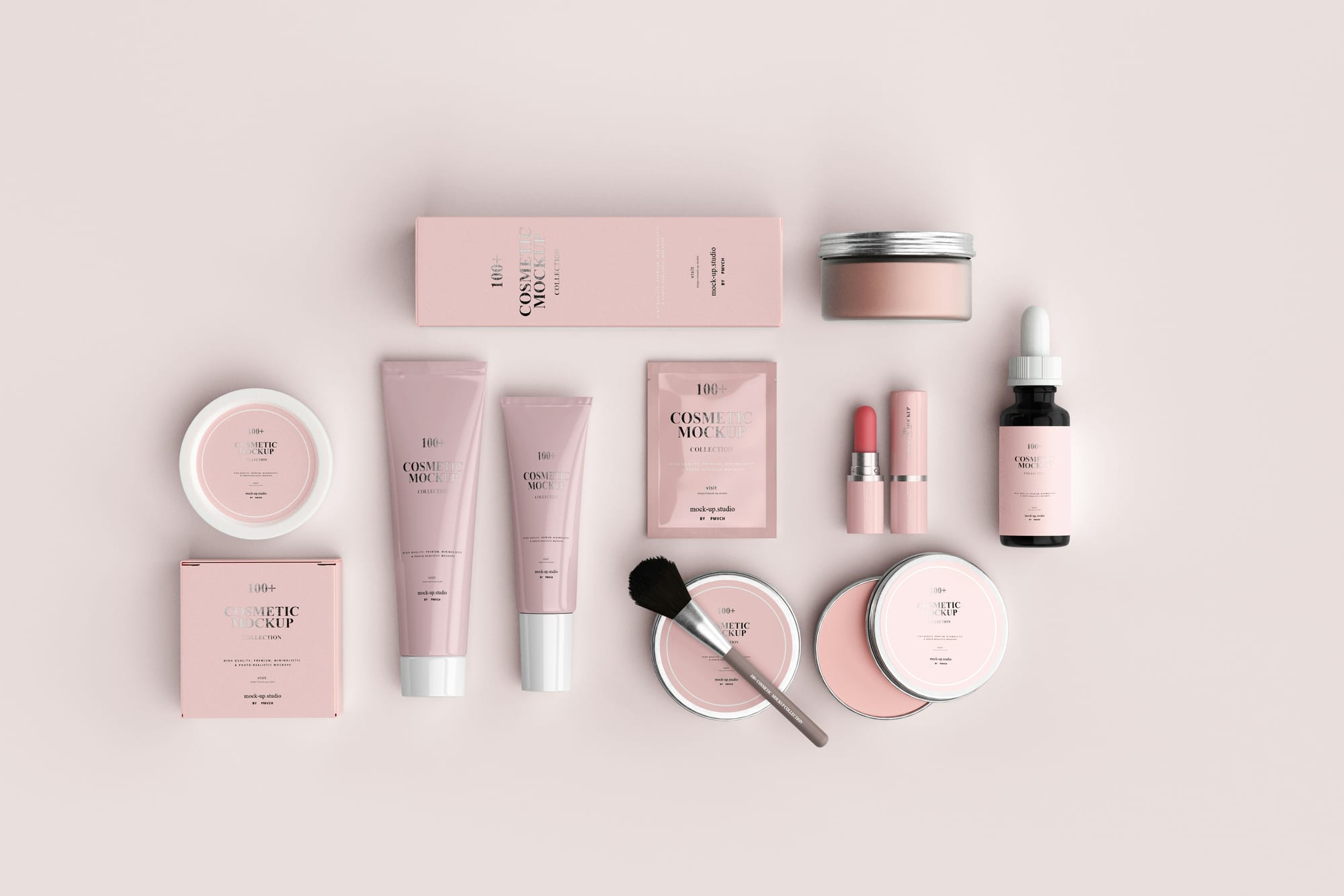
Despite these differences, global cosmetic regulations share consistent core principles. Safety, documentation, traceability, and accountability.
When these principles are integrated early, brands are better positioned to grow with confidence. When they are overlooked, challenges often arise during moments of expansion. Export shipments may be delayed or rejected due to missing documentation or restricted ingredients.
Online platforms such as Shopify or Amazon may suspend listings or hold funds due to noncompliant labels or unsupported marketing claims. Retailers and distributors may hesitate to onboard brands that cannot demonstrate manufacturing controls or product consistency.
Conversely, brands that embrace compliance as part of their creative and operational strategy experience greater stability. Formulas become reproducible. Quality becomes predictable. Teams spend less time guessing and more time refining. Instead of relying on memory or intuition alone, brands build systems that support both inspiration and consistency.
This alignment also builds trust. Retail partners, investors, regulators, and consumers are increasingly attentive to how products are made, not just how they are marketed. A brand that can demonstrate structured practices and regulatory awareness stands out as credible, professional, and ready to scale.
The modern beauty industry is evolving quickly. Regulations are becoming more defined, transparency expectations are rising, and global access requires preparation. When creativity and compliance work together, brands are not only safer, they are stronger.
Creativity brings a product to life. Compliance helps it grow, travel, and endure.
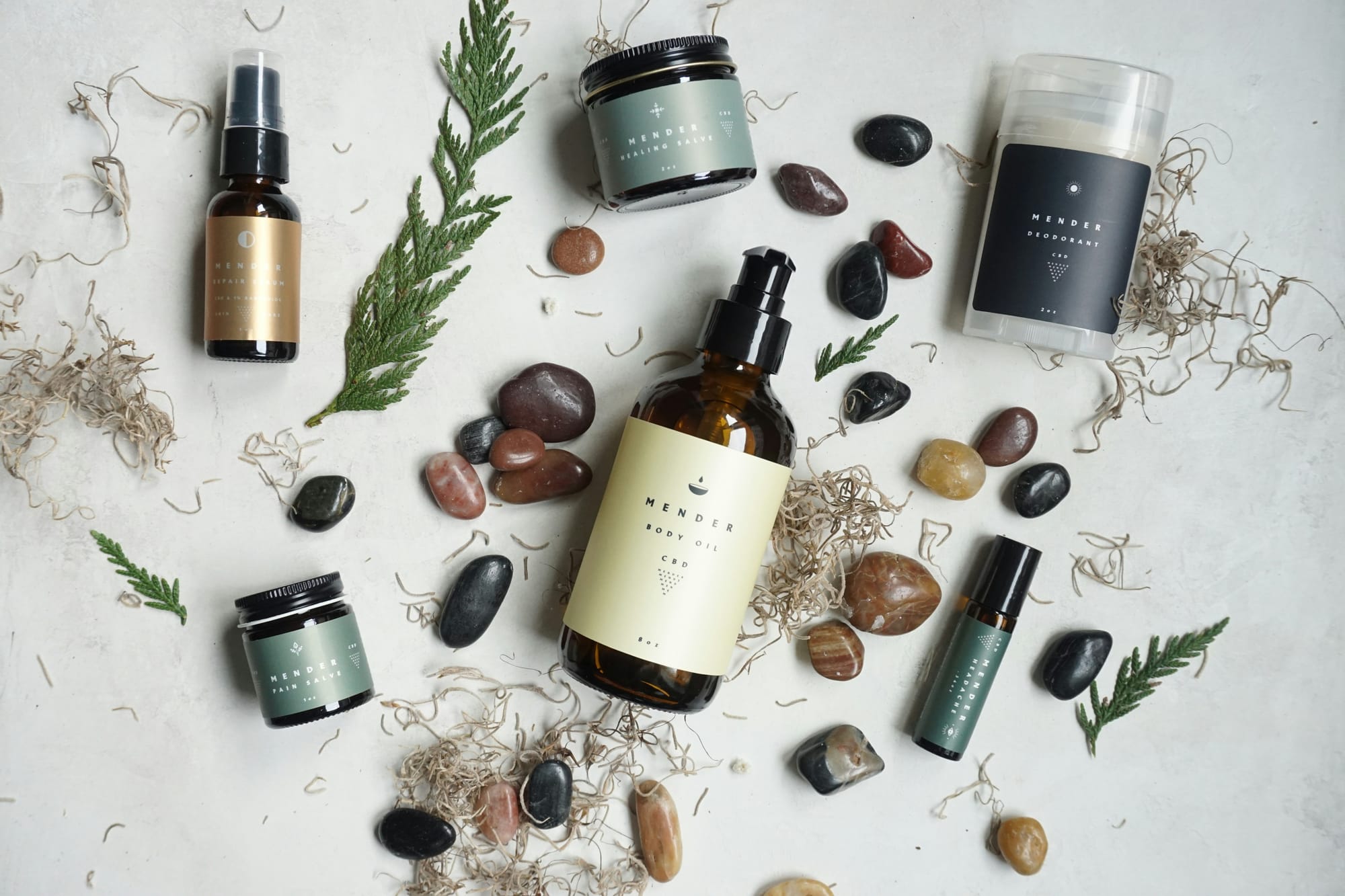
Founders navigating these realities often discover that clarity around regulations and manufacturing systems creates confidence rather than limitation. With the right guidance and structure, compliance becomes a design choice that supports both creativity and business growth.
In the next article, we will explore how cosmetic regulations differ between Canada and the United States and where brands most often encounter unexpected challenges when crossing that border.
If there is a particular market or compliance topic you would like covered, we welcome your suggestions for future editions.

Maribel Colón is a chemical engineer and international cosmetic compliance consultant with extensive experience across the cosmetic industry, dietary supplements, pharmaceuticals, and medical devices. She specializes in regulatory strategy, quality assurance systems, and Good Manufacturing Practices, and works with beauty founders to translate complex regulatory requirements into practical, scalable systems that support safe formulation, consistent manufacturing, and global expansion.