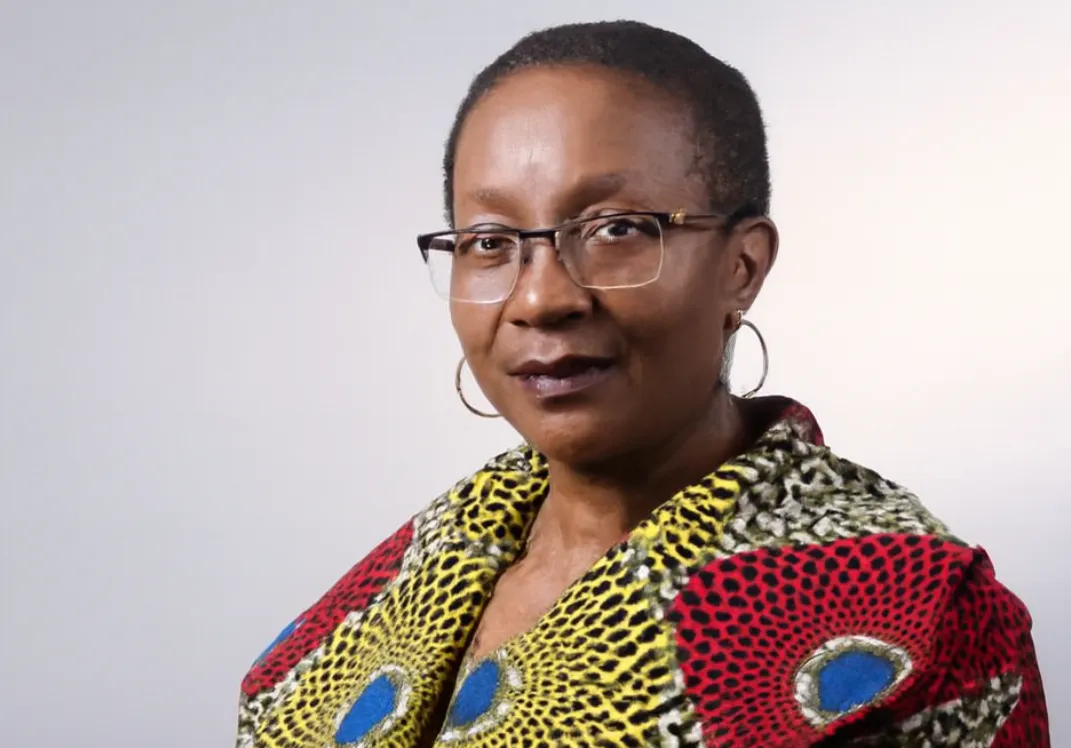
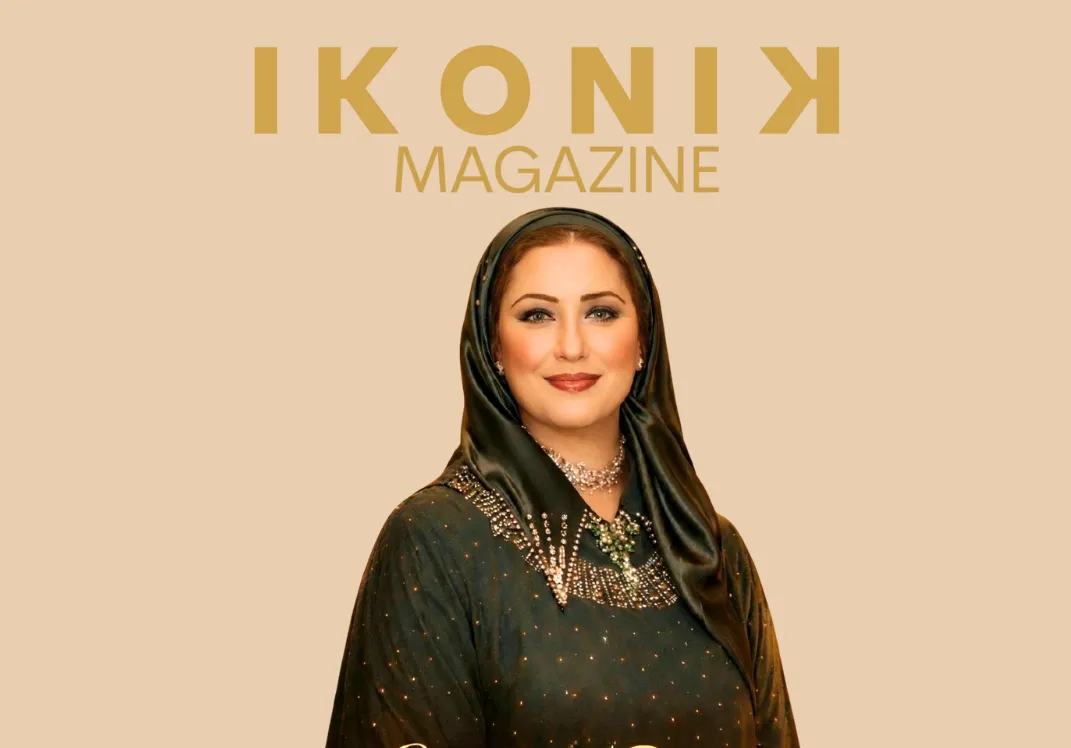
Across disciplines, a new generation of leaders is reshaping how expertise is communicated — moving beyond visibility toward credibility grounded in knowledge, care, and lived impact.
Through IKONIK Dialogues, we explore how professionals working at the intersection of science, culture, and human experience are redefining trust in industries that influence identity and well-being. Dr. Shaymaa Abdel Nabi’s work reflects this shift, where medical rigor meets cultural dialogue to form a more responsible vision of beauty and leadership.
In an era where visibility is often mistaken for authority, few voices manage to cut through the noise with clarity, restraint, and credibility. Dr. Shaymaa Abdel Nabi is one of them.
Trained in medicine and operating at the intersection of beauty, wellness, leadership, and global dialogue, her work challenges a surface-level understanding of influence. Rather than chasing trends or algorithms, she has built a reputation grounded in evidence, ethics, and care — redefining what trust looks like in industries that shape identity, confidence, and self-perception.
What distinguishes Dr. Shaymaa is not only her multidisciplinary expertise, but the way she approaches leadership itself: as a responsibility. Whether guiding women through deeply personal transformations or contributing to conversations that span cultures and institutions, her influence is exercised with intention, precision, and respect for human impact.
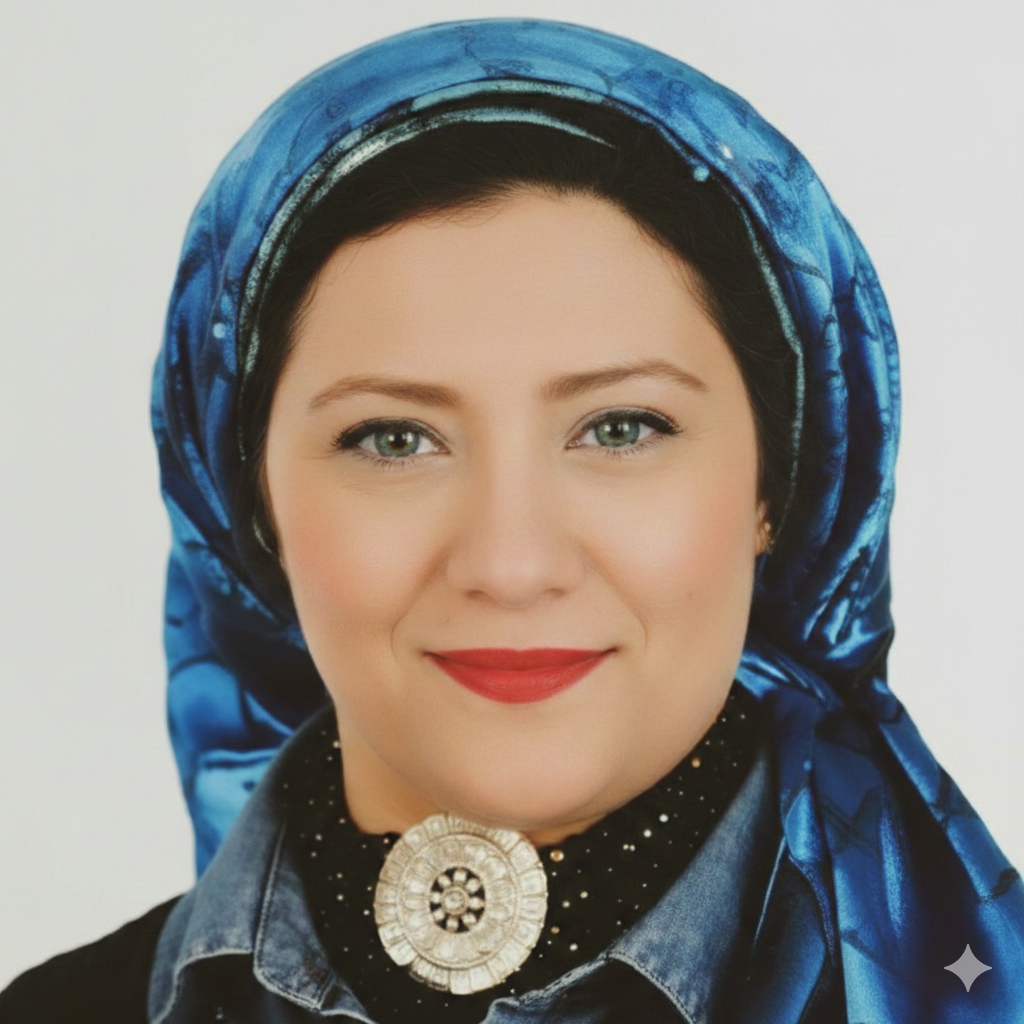
In this IKONIK Dialogue, Dr. Shaymaa reflects on the shift from expertise to influence, the weight of operating acro ss systems, and the future she is building — one rooted in integrity, innovation, and meaningful collaboration. This is not a story about visibility. It is a conversation about authority, care, and the kind of leadership that endures.
You’ve built credibility in medicine, beauty, and wellness, but influence is something different. When did you realize your work was no longer just about treatment or products, but about shaping how people understand trust, care, and self-perception?
I realized this shift when I noticed that people were no longer coming to me only for solutions, but for reassurance. They weren’t just asking what to use or how to treat a condition — they were asking who to trust and how to feel about themselves in the process.
Medicine teaches you how to diagnose and treat. But beauty and wellness, at their core, are deeply emotional spaces. Over time, I understood that my responsibility extended beyond outcomes. It became about how people experienced care — whether they felt seen, respected, and safe.
That was the moment I understood influence isn’t about visibility or scale. It’s about the values you consistently communicate through your work. When science is delivered with integrity and empathy, it reshapes how people view themselves. That’s when my work evolved from providing treatments to helping redefine trust, confidence, and self-perception.
Many professionals stay in one lane. You’ve chosen to operate across medicine, beauty, leadership, and diplomacy. What responsibility comes with that visibility, and how do you decide where to lend your voice?
Operating across systems comes with a heightened sense of responsibility, because visibility amplifies impact—both positive and negative. When you move between medicine, beauty, leadership, and diplomacy, your words don’t exist in isolation. They influence perceptions, standards, and sometimes even decisions that affect others.
I’m very intentional about where I lend my voice. I don’t speak everywhere — I speak where credibility, ethics, and long-term value align. My background in medicine anchors me in evidence and accountability. My work in leadership and diplomacy reminds me that influence must be exercised with cultural sensitivity and respect for context.
Responsibility, to me, means knowing when to speak and when to step back. It means using visibility not to dominate conversations, but to elevate standards, open dialogue, and protect trust. Influence across systems isn’t about being everywhere — it’s about being precise, principled, and purposeful.
Today, visibility is easy but credibility is rare. As someone trained in medicine, how do you think about authority in an industry often driven by trends, algorithms, and aesthetics?
Authority today is often mistaken for visibility. But in medicine, authority is earned through restraint, consistency, and accountability. You’re trained to respect evidence, to understand consequences, and to know that every decision has an impact on a real human life — not just an audience.
In industries driven by trends and algorithms, I approach authority as a stabilizing force. I don’t compete with noise; I counter it with clarity. Science doesn’t need to be loud to be powerful. It needs to be honest, transparent, and responsibly communicated.

Aesthetics will always evolve, but trust is timeless. My role, especially in beauty and wellness, is to ensure that innovation never outruns ethics. Authority, for me, is not about being followed — it’s about being relied upon when clarity matters most.
Hair and skin are deeply personal, often tied to identity, health, and confidence. How has your medical background shaped the way you approach beauty as a relationship of trust rather than consumption?
My medical background trained me to see hair and skin not as aesthetic surfaces, but as living indicators of health, balance, and emotional well-being. In medicine, you never treat in isolation — you listen first. That principle deeply shapes how I approach beauty.
When someone entrusts you with their hair or skin, they’re often sharing more than a concern; they’re sharing vulnerability. That creates a responsibility to educate, not just sell. To guide, not pressure. Beauty, in this sense, becomes a long-term relationship built on honesty, safety, and realistic expectations.

I don’t view beauty as consumption. I view it as care. Trust is built when people feel respected, when science is explained clearly, and when results are aligned with health rather than trends. That’s how confidence grows — not from products alone, but from knowing you’re in informed and ethical hands.
You work closely with women navigating change — physical, emotional, or professional. What have these interactions taught you about leadership that traditional business environments often overlook?
Working closely with women has taught me that leadership is not about control or performance — it’s about presence. Many women navigate transformation silently, carrying physical changes, emotional responsibilities, and professional pressure at the same time. What they often need most is not direction, but understanding.
Traditional business environments tend to separate strength from sensitivity. My experience shows the opposite: care is a leadership skill. Listening without judgment, creating psychological safety, and recognizing invisible labor are what allow people to grow sustainably.
Leadership through care doesn’t mean lowering standards. It means raising awareness. When people feel supported rather than managed, they lead themselves with confidence. That is the kind of leadership that lasts — and the kind that creates cultures, not just results.
Your work spans cultures and institutions. How do global perspectives on beauty, wellness, and leadership influence the way you build initiatives that feel grounded and relevant on a human level?
Working across cultures has taught me that while standards may differ, human needs do not. Beauty, wellness, and leadership are expressed differently around the world, but they are all rooted in dignity, safety, and belonging. A global perspective sharpens awareness; it doesn’t replace local wisdom.
When I build initiatives, I start by listening. Context matters — culturally, medically, and emotionally. What feels empowering in one place may feel invasive or irrelevant in another. My role is not to impose a universal model, but to translate principles — care, trust, evidence, and respect — into forms that resonate locally.
Global exposure gives you vision. Local engagement gives you credibility. When the two are aligned, initiatives feel human rather than institutional, and leadership feels present rather than distant. That balance is where meaningful impact lives.
As you look ahead, what kind of work do you feel most called to do next, and what kinds of collaborations or opportunities would allow you to do your most meaningful work?
At this stage, I feel most called to work that integrates science, care, and leadership at a deeper level. I’m less interested in scale for its own sake, and more focused on building systems that protect trust — in beauty, wellness, and leadership.
One exciting direction is exploring collaborations with global innovators, such as MedTech companies, to introduce AI and advanced technology into the beauty and wellness space. By combining scientific rigor with intelligent solutions, we can create products and services that are more effective, personalized, and accessible — while also contributing to the economy by generating jobs and professional opportunities.
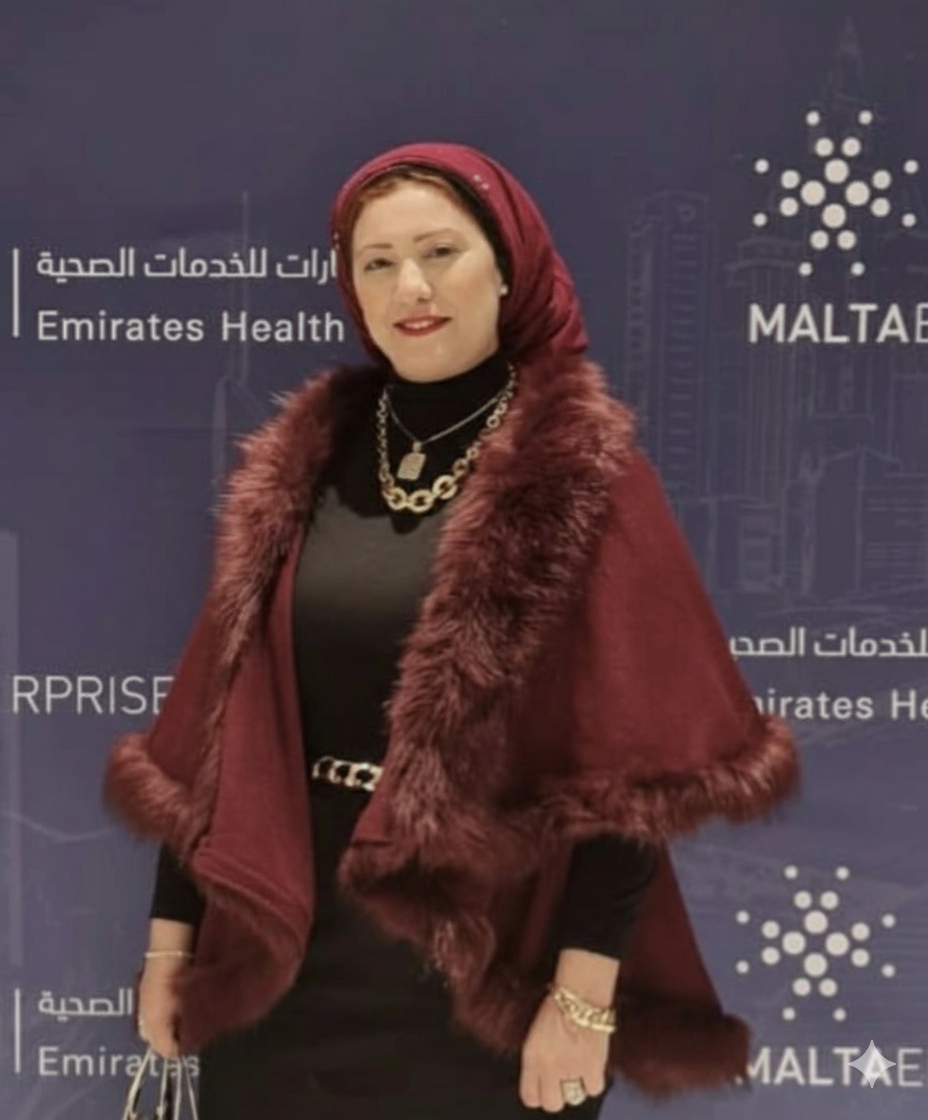
I’m also particularly interested in co-branding partnerships. Instead of bearing the costs of production, distribution, and marketing myself, I can collaborate with international brands to create joint product lines that carry both names. My role is to provide medical expertise, innovative formulations, and credibility, while the partner company handles execution and global reach.
This approach allows me to scale impact and income simultaneously, transforming my brand into a global platform that empowers others and produces sustainable financial returns — all without the financial risk of manufacturing.
Ultimately, I’m drawn to partnerships and initiatives that value integrity, innovation, and human impact over visibility alone. The future I’m building is about creating opportunities that elevate standards, empower women, and make meaningful contributions — locally and globally.
When someone searches your name years from now, what do you hope they immediately understand about your philosophy, your impact, and the way you chose to lead?
When someone searches my name years from now, I hope they immediately understand that I have always led with integrity, care, and purpose. That my work was not just about products or treatments, but about creating systems of trust — in medicine, in beauty, and in leadership.
I want them to see that I used my expertise to empower others, to open doors for women, and to foster collaborations that bring both innovation and opportunity to the world. That my philosophy was grounded in evidence, empathy, and a belief that influence carries responsibility.
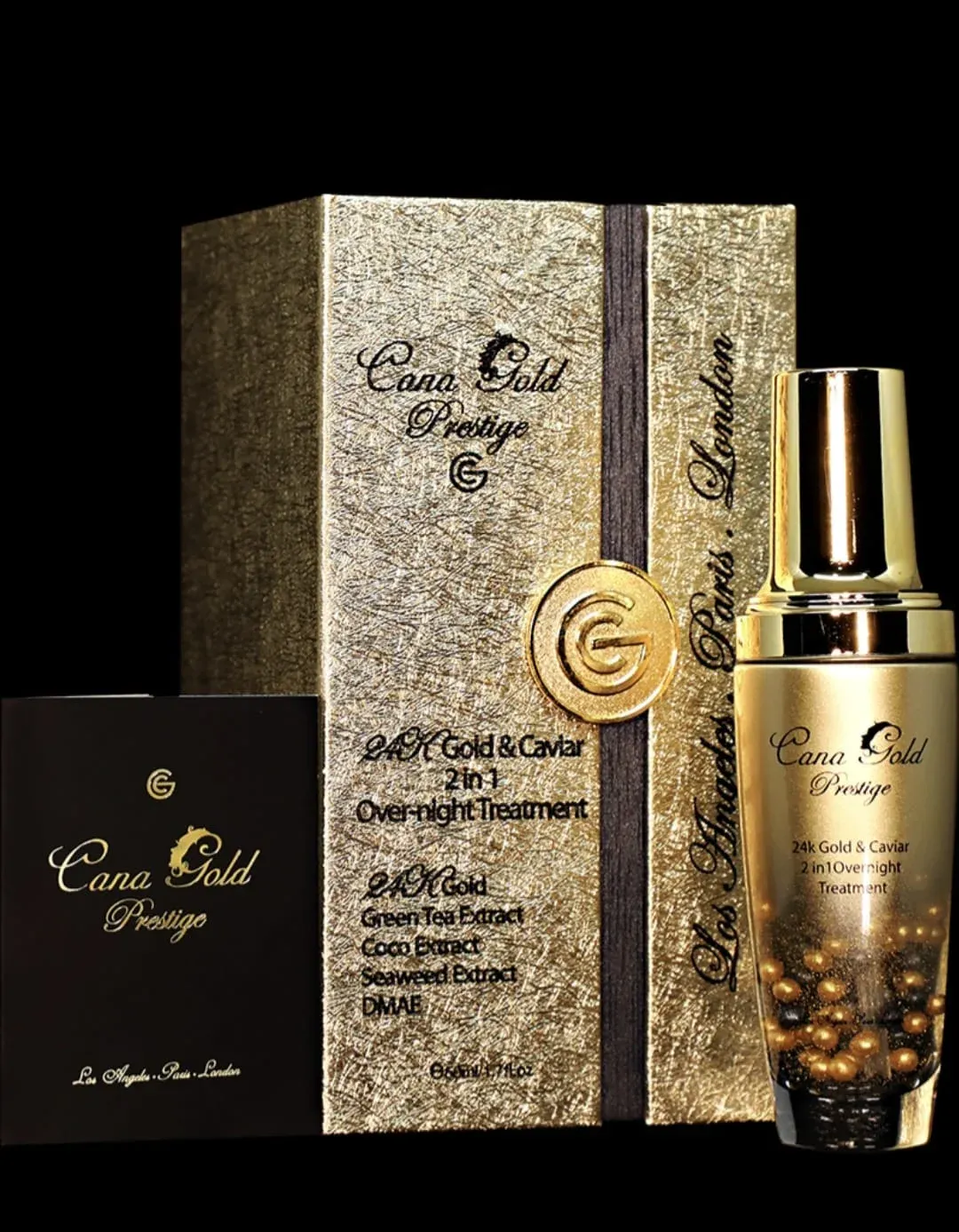
I also hope they recognize that I saw business and beauty not just as commerce, but as platforms for impact — introducing technology like AI to enhance wellness, creating co-branded partnerships to expand access and opportunity, and transforming my name into a symbol of credibility and quality.
Above all, I hope they see leadership as relational, inclusive, and forward-thinking — a commitment to leave every system, every person, and every community better than I found it. That is the legacy I strive to build.
1. A value you refuse to compromise on Integrity.
In every decision, every product, and every partnership, I will not compromise on honesty, safety, or trust—because without them, influence is meaningless.
- A misconception people often have about your work
Many assume my work is about beauty or glamour alone. In reality, all my products are made only by order—we haven’t mass-produced a line yet because I’ve been intentional about quality, trust, and readiness. This careful approach is why co-branding with global partners is the next natural step: it allows us to expand responsibly while maintaining standards and creating opportunities for others.
3. A moment that quietly changed how you lead
When a woman once told me she finally felt safe to invest in herself because she trusted my guidance. That moment reminded me leadership isn’t about authority—it’s about creating spaces where people feel seen, respected, and empowered to grow. At the same time, it reminded me to focus on myself and my brand: not to scatter energy trying to be everywhere, but to act intentionally, asking always, “Does this benefit me, my work, and the people I serve?”
4. One word that defines the impact you hope to leave :
Legacy
This dialogue reflects a broader movement toward expertise that is not only practiced, but thoughtfully communicated — where authority is sustained through responsibility, and innovation remains anchored in trust.
Dr. Shaymaa’s journey offers a rare perspective in today’s cultural landscape — one where leadership is measured not by reach, but by responsibility; not by performance, but by presence.
Across medicine, beauty, and global collaboration, her work reminds us that credibility is built slowly, trust is earned intentionally, and influence carries consequences. By grounding innovation in ethics and care, she is shaping a future where beauty and wellness are no longer transactional, but relational — anchored in dignity, evidence, and long-term impact.
As industries evolve and technology accelerates, voices like hers will matter even more. Not because they are loud, but because they are reliable. Not because they follow momentum, but because they help define it.
This IKONIK conversation captures a leader who understands that authority is not something claimed—it is something upheld. And that the most meaningful legacy is not what we build for ourselves, but the systems of trust we leave behind.
Explore Dr. Shaymaa’s work
Her approach to beauty and wellness is grounded in medical expertise, trust, and care.
Visit: Website
Connect on Instagram